Author: Clear Infosec

  • Be diligent while watching or skipping ads in between your favourite youtube videos

    Be diligent while watching or skipping ads in between your favourite youtube videos

    Introduction:

    In the intricate world of cybersecurity threats, a disturbing convergence has surfaced on YouTube, where seemingly innocent videos promoting cracked software harbor a malevolent secret – the distribution of Lumma Stealer. In this comprehensive exploration, we delve into the deceptive landscape of YouTube videos enticing users with promises of free premium software, uncovering the dangerous alliance between these videos and the insidious Lumma Stealer.

    Lumma Stealer: An In-Depth Examination

    1. Understand the Lumma Stealer Threat:

    Lumma Stealer is a sophisticated malware designed to infiltrate systems covertly. Once inside, it operates with a dual purpose – harvesting sensitive data and compromising user security. Disguised within the allure of cracked software downloads promoted on YouTube, Lumma Stealer takes advantage of unsuspecting users seeking illicit access to premium applications.

    2. The Multifaceted Threat Landscape:

    Lumma Stealer poses a multifaceted threat to individuals and organizations:

    Data Harvesting: The malware specializes in extracting sensitive information, including login credentials, personal details, and financial data.

    Backdoor Creation: Lumma Stealer often establishes backdoors, allowing unauthorized access to cybercriminals for ongoing exploitation.

    Propagation of Further Threats: Beyond its primary payload, Lumma Stealer may open the door for additional malware or ransomware attacks, compounding the potential damage.

    Unveiling the Tactics: YouTube Videos as Trojan Horses

    1. Phishing Tactics:

    YouTube videos promoting cracked software employ sophisticated phishing tactics. These videos entice users with promises of free premium software, leading them to click on malicious links or download compromised applications.


    1. Social Engineering Techniques:

    Cybercriminals leverage social engineering techniques to manipulate users emotionally, convincing them that they can obtain premium software without consequence.

    1. Disguised Payloads:

    Lumma Stealer remains concealed within what seems to be harmless downloads, exploiting users’ desire for free access to premium software to propagate its malicious agenda.

    Protecting Yourself Against the Menace

    1. Educate and Raise Awareness:

    Disseminate information to raise awareness about the inherent risks associated with downloading cracked software and the pervasive threat of Lumma Stealer. Education is the cornerstone of effective cybersecurity.

    1. Use Legitimate Sources:

    Obtain software only from official and legitimate sources. Discourage the use of third-party platforms and unverified links that may harbor malware.

    1. Install Robust Security Solutions:

    Deploy reputable antivirus and anti-malware solutions capable of detecting and neutralizing sophisticated threats, including Lumma Stealer.

    1. Exercise Caution Online:

    Exercise caution when encountering enticing offers that appear too good to be true. Be vigilant when clicking on links or downloading files from unverified sources.

    1. Stay Informed:

    Keep abreast of the ever-evolving cybersecurity landscape. Staying informed empowers users to recognize potential dangers and take proactive measures to safeguard their digital assets.

    Conclusion:

    In the complex interplay of cyber threats, YouTube videos promoting cracked software have transformed into Trojan horses, concealing the menacing Lumma Stealer. By comprehending the tactics employed by cybercriminals and adopting a vigilant and informed approach, users can fortify their defences and contribute to a more secure digital landscape. Knowledge is the first line of defines, and collective awareness is instrumental in thwarting the schemes of those seeking to compromise our digital security. In the ongoing battle against cyber threats, every individual’s commitment to cybersecurity is paramount.

  • Unveiling How Malware Defies Password Resets via Google MultiLogin Exploit

    Unveiling How Malware Defies Password Resets via Google MultiLogin Exploit

    In our earlier blog, we talked about how some people could misuse Google OAuth to take over someone’s session without permission. Surprisingly, this seemingly harmless part turned out to be a favorite for malware that steals information. CloudSEK found a serious problem where malware uses MultiLogin to keep control of a user’s session, even after they change their password.

    This exploit, initially revealed by PRISMA on October 20, 2023, has swiftly become a tool of choice for various malware families like Lumma, Rhadamanthys, Stealc, Meduza, RisePro, and WhiteSnake. The technical implications of this exploit are significant, challenging the security of Google’s OAuth infrastructure and highlighting the need for enhanced vigilance.

    Exploiting Chrome’s Token_Service Table for Unauthorized Access

    The main purpose of the MultiLogin authentication endpoint is to synchronize Google accounts across various services, particularly when users log into their accounts using the Chrome web browser. However, a detailed analysis of the Lumma Stealer code through reverse engineering has brought to light a targeted approach.

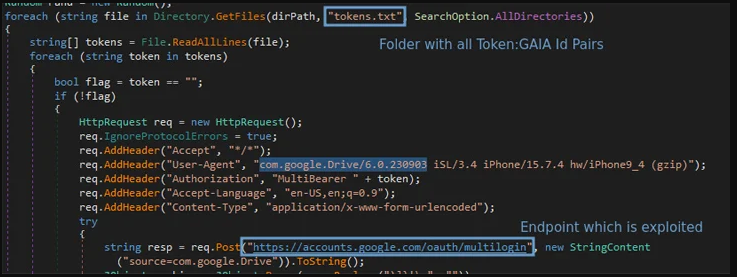
    The technique focuses on the “Chrome token_service” table in WebData, extracting both tokens and account IDs associated with Chrome profiles that are currently logged in. Within this table, two critical columns stand out: service (GAIA ID) and encrypted_token. This revelation unveils a specific exploitation method used by the Lumma Stealer to gain unauthorized access to user data.

    Understanding Token-Driven Cookie Scenarios

    Google Multilogin

    The combination of a token and GAIA ID plays a pivotal role in this exploitation. This pairing is ingeniously employed with the MultiLogin endpoint, allowing the regeneration of Google authentication cookies. Testing revealed three distinct scenarios for token-cookie generation:

    Continuous Browser Login:

    In cases where the user remains logged in with the browser, the token can be utilized indefinitely, posing a serious threat to the user’s ongoing session security.

    Password Change with Persistent Google Sign-In:

    When a user opts to change their password but maintains their Google sign-in status, the token becomes a one-time use entity. This precaution prevents repeated use and ensures the security of the user’s session.

    Browser Sign-Out and Token Revocation:

    If the user chooses to sign out of the browser, the associated token is promptly revoked and deleted from the browser’s local storage. However, this token is regenerated upon subsequent login. This emphasizes the importance of vigilant log-out practices to mitigate the risk of unauthorized access.

    Google’s Response and User Mitigation:

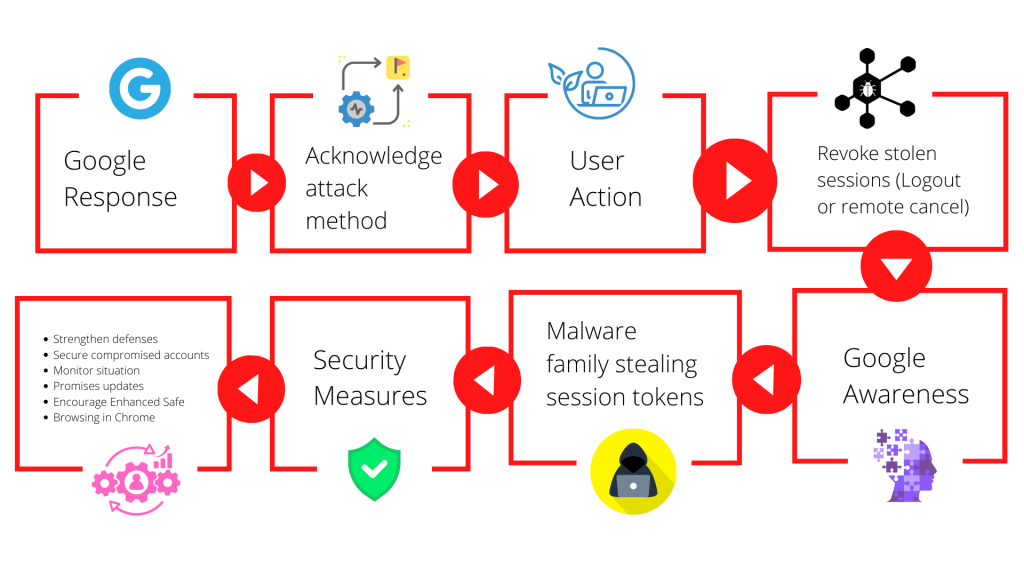
    In response to queries, Google acknowledged the existence of this attack method. However, users can take control of the situation by revoking stolen sessions through a simple yet effective measure—logging out of the affected browser.

    Google is aware of recent reports about a malware family swiping session tokens, as shared with The Hacker News. The company pointed out that attacks where cookies and tokens are stolen are not new, and they regularly strengthen their defenses to protect users from such malicious tactics. In response, Google has promptly taken steps to secure any compromised accounts identified.

    It’s crucial to clarify a misunderstanding circulating in some reports, suggesting that users cannot cancel stolen tokens and cookies. Google corrects this, highlighting that users can make stolen sessions invalid by simply logging out of the affected browser or remotely canceling them through the user’s devices page. Google is staying vigilant, monitoring the situation closely and promising updates when necessary.

    Furthermore, the company encourages users to turn on Enhanced Safe Browsing in Chrome for added protection against phishing attempts and malware downloads. This extra layer of security helps users browse the internet with increased confidence, preventing potential threats.

    Strengthening User Security Measures

    In response to the MultiLogin exploits, security experts emphasize the importance of changing passwords as a preventive measure. They suggests this step as a deterrent to thwart threat actors from exploiting password reset authentication flows to regain unauthorized access.

    Additionally, users are advised to actively monitor their account activity, particularly scrutinizing sessions originating from unfamiliar IPs and locations, which could signal suspicious behavior.

    Google’s Clarification and User Security

    The significance of Google’s clarification on the situation is underscored by Alon Gal, the co-founder and chief technology officer of Hudson Rock. Notably, Gal had previously disclosed details of the exploit last year. While acknowledging the value of Google’s security measures, he sheds light on the sophistication of the exploit, signaling a potential challenge to traditional methods of securing accounts.

    Gal advocates for the adoption of more advanced security solutions, especially in the face of evolving cyber threats, exemplified by the rising popularity of infostealers among cybercriminals. This incident serves as a reminder of the dynamic landscape of cyber threats, urging the need for continuous advancements in security protocols.

    Reference

    Malware using Google Multilogin exploit to maintain access despite password reset. The Hacker News. (2024, January 3). https://thehackernews.com/2024/01/malware-using-google-multilogin-exploit.html


  • Exploiting Google OAuth Endpoint for Unauthorized User Session Hijacking

    Exploiting Google OAuth Endpoint for Unauthorized User Session Hijacking

    In the dynamic landscape of cybersecurity, a recent revelation by threat actor “Prisma” has brought to light a significant exploit that allows the generation of persistent Google cookies through token manipulation. This discovery, highlighted by CloudSEK’s threat intelligence researcher, Pavan Karthick M, has far-reaching implications, shaping the narrative of cyber threats in recent times.


    Introduction:

    In the intricate web of online security, the emergence of novel exploits demands a closer look at their origins, mechanisms, and subsequent impact. Recently, a threat actor named “Prisma” unveiled a noteworthy exploit capable of generating persistent Google cookies through the manipulation of tokens. This revelation, as explored by CloudSEK’s Pavan Karthick M, not only underscores the evolving sophistication of cyber threats but also sheds light on the collaborative efforts within the cybersecurity community to unravel and understand these intricacies.

    The Exploit’s Evolution:

    The journey of this exploit begins with infostealers, including Lumma and Rhadamanthys, strategically incorporating token manipulation techniques into their malware. Their goal: to create enduring Google cookies. In October, CloudSEK researchers uncover a zero-day exploit after Prisma shares information on its Telegram channel. This discovery triggers a ripple effect, as Lumma’s threat actor enhances the methodology through reverse engineering, leading to the swift integration of the exploit into the arsenals of prominent infostealers.

    Comprehensive Event Timeline

    Google OAuth Endpoint Hijack

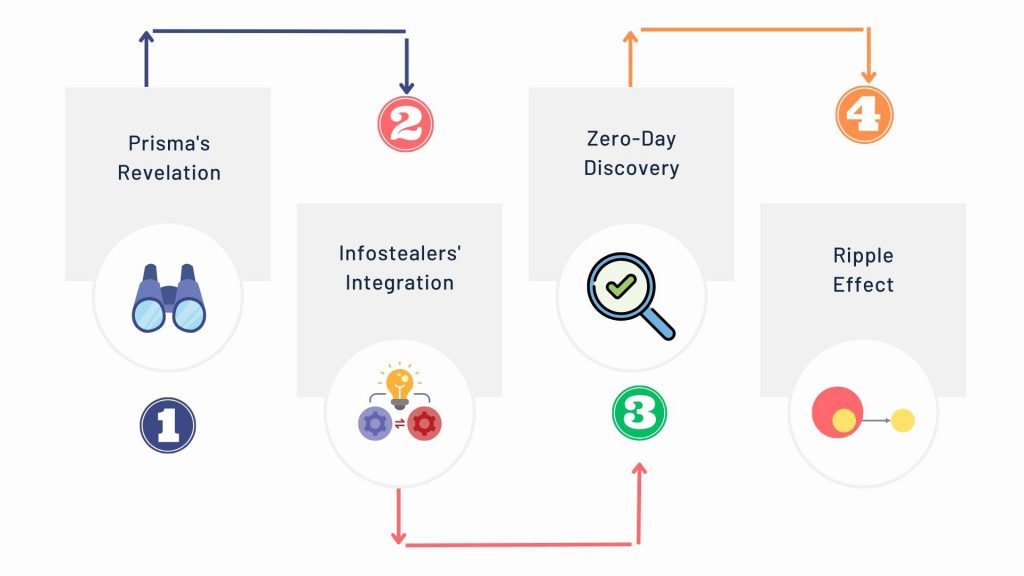
    1.Prisma’s Revelation: Prisma discloses the exploit, enabling the generation of persistent Google cookies through token manipulation.

    2. Infostealers’ Integration: Lumma and Rhadamanthys incorporate token manipulation into their malware, aiming to create enduring Google cookies.

    3. Zero-Day Discovery: CloudSEK researchers uncover a zero-day exploit in October, triggered by Prisma’s disclosure on its Telegram channel.

    4. Ripple Effect: Lumma’s threat actor enhances the methodology through reverse engineering, swiftly integrating the exploit into the arsenals of prominent infostealers.

    The Ripple Effect:

    The improved methodology marks a shift in the landscape of malware development, emphasizing the concealment and protection of exploit methodologies. Lumma’s adoption of advanced blackboxing techniques serves a dual purpose — it keeps the core mechanics of the exploit hidden, making replication challenging for other threat actors, and reduces the likelihood of triggering security alarms. This strategic move ushers in a new era where the emphasis lies not only on the effectiveness of exploits but also on their ability to remain covert.

    Tracing the Roots:

    Collaboratively, CloudSEK’s threat research team, working alongside Prisma, independently reverse engineers the malware housing the exploit. This collaboration unveils the root of the method, tracing it to an undocumented Google OAuth endpoint named “MultiLogin.” This internal mechanism, designed for synchronizing Google accounts across services, is found to have two crucial features — the persistence of a user’s Google session post-password change and the ability to generate valid cookies during a session disruption


    Evaluating the Cyber Risks and Rewards

    OAuth is like a teamwork system for apps, seen in features like “Log in with Google” on websites. Its job is to get permission from users so apps can share and use their information. However, if it’s not set up correctly, it can lead to issues. Security researchers discovered problems with it on Booking.com, where it exposed the site to potential attacks. Moreover, some folks create fake apps using OAuth to target Microsoft Exchange servers. So, while OAuth is handy for making things work together, we must be cautious to ensure our online safety.

    CloudSEK discovered that Prisma’s OAuth exploit, targeting Google Chrome, centers on the token_service table, holding vital details like “service (GAIA ID)” and “encrypted_token” for logged-in Chrome profiles. To obtain this information, encrypted tokens are deciphered using a unique code stored in Chrome’s Local State within the UserData directory, similar to how passwords are kept secure. By scrutinizing Chromium’s source code,

    CloudSEK identified the MultiLogin endpoint as an internal tool designed to synchronize Google accounts across services, ensuring a smooth user experience by aligning browser account states with Google’s authentication cookies. Importantly, this endpoint plays a crucial role in Google’s OAuth system, managing simultaneous sessions or seamless switches between user profiles by accepting vectors of account IDs and auth-login tokens.


    Risks and Implications of Unauthorized Access

    Lumma’s Manipulation Technique

    MultiLogin, crucial for user authentication, can be misused if its cross-account communication is mishandled. CloudSEK delves into Lumma’s strategy, the first infostealer to exploit MultiLogin, to illustrate how this abuse unfolds.

    Nuanced Token Manipulation

    Lumma’s approach centers on manipulating the token: GAIA ID pair, a critical element in Google’s authentication. This pair, in tandem with the MultiLogin endpoint, allows the regeneration of Google service cookies. Lumma takes an extra step by encrypting this pair with private keys, effectively “blackboxing” the exploitation process, keeping its core mechanics concealed.

    Purposeful Blackboxing

    The blackboxing serves dual purposes: it conceals the exploit’s core mechanism, making it challenging for other threat actors to replicate. Additionally, it lowers the likelihood of triggering alarms in network security systems, as encrypted traffic tends to be overlooked by standard security protocols, often considered legitimate.

    Persistent Access through Exploitation

    By manipulating the token: GAIA ID pair, Lumma achieves continuous regeneration of cookies for Google services. This exploitation remains effective even after users reset their passwords, allowing for prolonged and potentially unnoticed access to user accounts and data, as observed by CloudSEK.

    Lumma’s Exploit Evolution and Exposure

    Lumma’s adaptation of the exploit, incorporating SOCKS proxies to bypass Google’s IP-based restrictions on cookie regeneration, inadvertently disclosed details of its techniques. This revelation opened the door for other infostealers like Rhadamanthys, Risepro, Meduza, Stealc Stealer, and, most recently on Dec. 26, White Snake, to adopt the exploit, as highlighted by CloudSEK.


    Evolving Strategies in Cyber Threats

    CloudSEK highlights a significant shift in cyber threat tactics, exemplified by Lumma threat actors encrypting a key part of their exploit. This strategic move reflects an increased emphasis on stealth and sophistication in the realm of cyber threats.

    CloudSEK underscores the need for defenders to enhance their cybersecurity strategies in response to this evolving landscape. The altered focus in malware development now prioritizes concealing and protecting exploit methodologies alongside their effectiveness. The call for organizations to adopt continuous monitoring of both technical vulnerabilities and human intelligence sources becomes crucial in staying ahead of emerging cyber threats. Karthick M emphasizes the collaborative effort between these two aspects as vital for uncovering and comprehending these increasingly sophisticated exploits.


    Reference:

     Elizabeth Montalbano, C. W. (2024, January 2). Attackers abuse Google OAuth endpoint to Hijack User Sessions. Attackers Abuse Google OAuth Endpoint to Hijack User Sessions. https://www.darkreading.com/cloud-security/attackers-abuse-google-oauth-endpoint-hijack-user-sessions

  • How to Prevent API Breaches: A Guide to Robust API Security

    How to Prevent API Breaches: A Guide to Robust API Security

    APIs provide great opportunities for businesses to interconnect systems and share data. However, they also introduce significant security risks if not properly protected. APIs have become the backbone of digital business, with over 90% of companies relying on them for their applications according to Red Hat. However, while APIs drive innovation, they also expand the attack surface. Recent data from Salt Security shows that APIs were implicated in over 80% of application security incidents in 2022.
    To safeguard your APIs and prevent unauthorized access, compromise of data, or service disruptions, it is essential to implement a robust API security strategy. This guide outlines key best practices and technologies to harden your APIs against attacks:

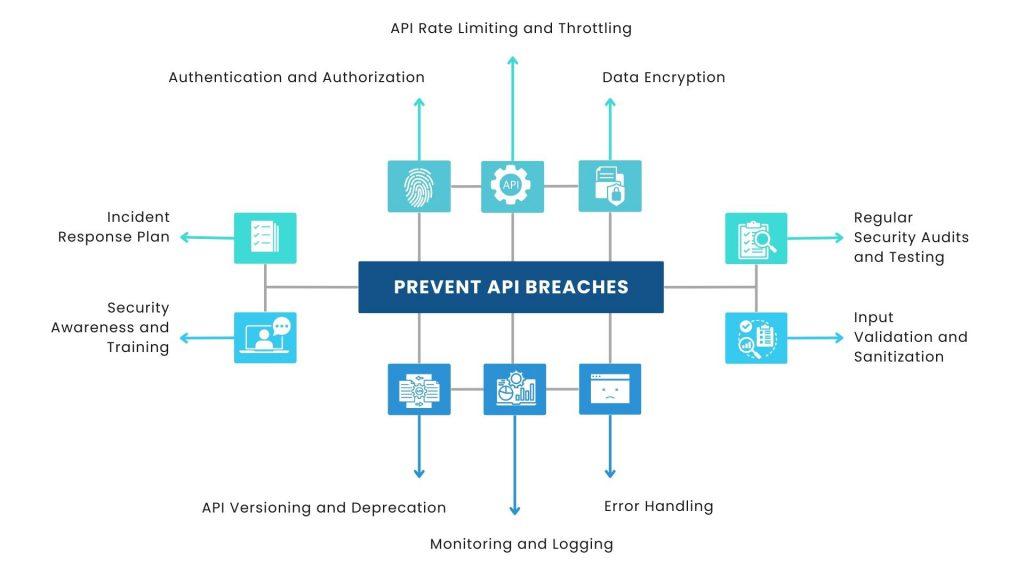
    Prevent API Breaches

    Implement Strong API Authentication

    According to Gartner, nearly 70% of unauthorized data breaches are traced back to flawed authentication practices. Enforcing strict API authentication is therefore crucial. Proper authentication ensures only authorized users and applications can access your APIs. Some recommended mechanisms:

    • OAuth 2.0 – Allow secure delegation of access without exposing user credentials. Registration of client apps, access tokens, and authorization flows enable granular API access control.
    • API Keys – Unique identifiers issued to each user or app provide basic API access management. API keys should be revoked if compromised.
    • JWT Tokens – JSON Web Tokens encoded with claims can authenticate users and share information in a tamper-proof manner.

    Weak authentication makes APIs an easy target. Aim for standards-based authentication to lock down access.


    Enforce Granular Authorization

    Granular authorization prevents abuse of permissions. Studies by Imperva show that over 20% of internally developed APIs contain flaws enabling elevation of privileges. Authorization determines the resources and actions each user can access. Define and enforce granular permissions using:

    • Role-based access control (RBAC) – Assign roles with predefined permissions to users. Restrict actions based on roles.
    • Attribute-based access control (ABAC) – Define fine-grained access policies using attributes like user ID, location, device type. Helpful for dynamic environments.

    Granular authorization minimizes exposure and reduces the API attack surface.


    Implement Rate Limiting

    Per Akamai, DDoS attacks increased by 167% in 2020, with APIs being the most targeted applications. Effective rate limiting is key to deter such attacks. Rate limiting sets thresholds on the number of API requests permitted over a period:

    • Apply limits based on IP, user, device ID, or other attributes
    • Prevent excessive requests by enforcing throttling beyond thresholds
    • Helps prevent abuse and denial-of-service attacks.


    Encrypt Sensitive API Data

    • Apply HTTPS/SSL to encrypt data in transit during API communication. Prevent man-in-the-middle attacks.
    • Encrypt data at rest via mechanisms like disk and database encryption. Protect stored data.


    Perform Regular API Security Testing

    IBM estimates the average cost of a data breach to be $4.24 million. Regular API testing can help avert such incidents. Veracode’s research shows over 90% of applications contain some form of security vulnerability.


    Continuously test APIs to detect vulnerabilities:

    • Static application security testing (SAST) – Scan code for vulnerabilities at the development stage
    • DAST (dynamic analysis) – Test APIs in production via fuzzing and penetration testing
    • Interactive analysis (IAST) – Get real-time insight into code execution paths and data flows

    Fix any issues prior to deployment. Schedule recurring tests to stay on top of vulnerabilities.


    Validate All API Inputs

    • Reject incorrectly formatted, malicious, or excessive payloads
    • Sanitize all input data to prevent injection attacks
    • Adhere to secure coding best practices


    Handle Errors Securely

    • No sensitive information in error messages
    • Log detailed errors server-side for diagnostics
    • Graceful error handling reduces disruption

    Proper error handling prevents information leakage.


    Implement Robust Logging and Monitoring

    • Audit trails with API request and response logs
    • Monitor for suspicious traffic patterns or anomalies
    • Real-time alerting of potential attacks

    Logs and monitoring data provide visibility into API activities.


    Practice Security-Aware Development

    • Developer training on secure coding practices
    • Peer code reviews to identify vulnerabilities early
    • Reference architectures and secure-by-default frameworks


    Conclusion

    APIs introduce innovative capabilities but also substantial risk. Prioritizing API security is crucial. By leveraging standards-based authentication, granular authorization, encryption, rate limiting, continuous testing, and robust logging, you can secure your APIs from compromise. Adopt these best practices to reduce API vulnerabilities and gain assurance against attacks.

  • Mastering ISO 27001 Implementation: Your Comprehensive Handbook

    Mastering ISO 27001 Implementation: Your Comprehensive Handbook

    Introduction

    In today’s digital world, protecting sensitive information and data is of utmost importance. That’s why many organizations turn to international standards like ISO 27001 to establish robust information security management systems (ISMS). Implementing ISO 27001 can provide a framework for identifying risks, implementing controls, and ensuring the confidentiality, integrity, and availability of information.

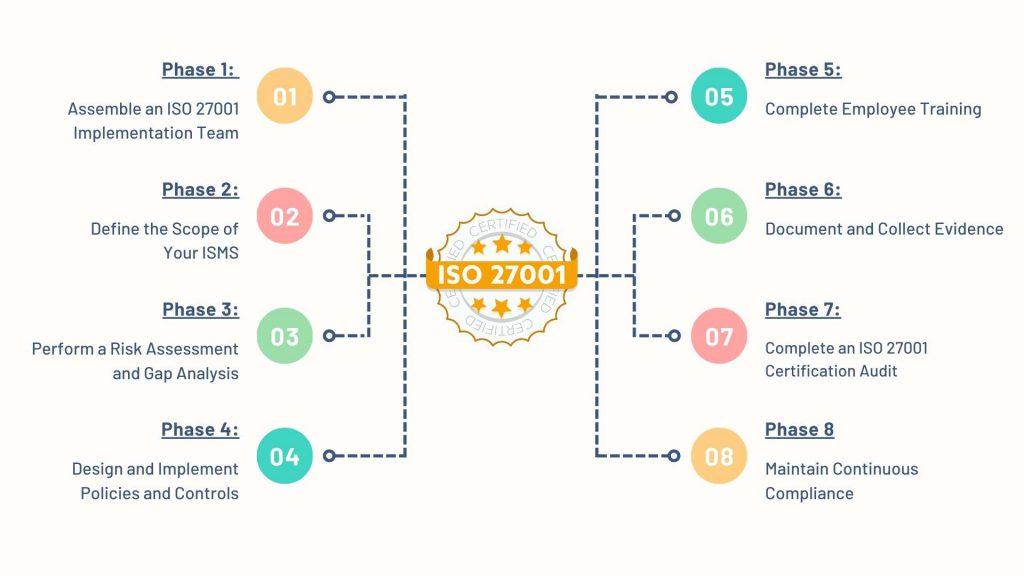
    In this comprehensive guide, we will walk you through the process of implementing ISO 27001, covering everything you need to know to achieve certification. From assembling an implementation team to maintaining continuous compliance, we will explore each phase of the certification process. So, let’s dive in and discover how you can effectively implement ISO 27001 and safeguard your organization’s information assets.


    Phase 1: Assemble an ISO 27001 Implementation Team

    Implementing ISO 27001 requires collaboration and coordination across various departments within your organization. The first step is to assemble an ISO 27001 implementation team. This team will be responsible for driving the implementation process and ensuring that all necessary steps are taken to achieve certification.

    The implementation team should consist of individuals with diverse expertise and knowledge in information security, risk management, and organizational processes. It is crucial to appoint a project leader who will oversee the implementation project and work closely with other team members to create a project plan.

    The project plan should outline the objectives, timeline, and budget for the implementation project. It should also address the management support and resources required to successfully implement ISO 27001. By assembling a dedicated team and creating a well-defined project plan, you set the stage for a successful implementation journey.

    Phase 2: Define the Scope of Your ISMS

    Before diving into the implementation process, it is essential to define the scope of your Information Security Management System (ISMS). The scope determines the boundaries and extent of your ISMS implementation and certification.

    To define the scope, you need to identify the assets, processes, and departments within your organization that will be included in the ISMS. This involves understanding the information assets that need protection, such as customer data, intellectual property, and sensitive business information.

    The scope can be broad, encompassing the entire organization, or specific to certain departments or systems. It is crucial to align the scope with your organization’s goals, objectives, and the expectations of your customers and stakeholders. By clearly defining the scope of your ISMS, you can focus your efforts and resources on protecting the most critical information assets.

    Phase 3: Perform a Risk Assessment and Gap Analysis

    One of the fundamental requirements of ISO 27001 is conducting a risk assessment. A risk assessment helps identify potential threats and vulnerabilities to your organization’s information assets. It allows you to prioritize risks and implement appropriate controls to mitigate them effectively.

    To perform a risk assessment, you need to identify the assets, threats, vulnerabilities, and potential impacts associated with your information assets. This can be done through interviews, document reviews, and technical assessments. The goal is to understand the likelihood and potential impact of various risks to your organization.

    Once the risks are identified, you can conduct a gap analysis to compare your existing security controls with the requirements of ISO 27001. The gap analysis helps you identify areas where your organization falls short in meeting the standard’s requirements. It provides valuable insights into the necessary improvements and actions needed to achieve compliance.

    Phase 4: Design and Implement Policies and Controls

    Based on the results of the risk assessment and gap analysis, you can design and implement policies and controls to address the identified risks. Policies serve as high-level guidelines and principles that define how your organization approaches information security.

    The policies should cover various aspects of information security, such as access control, incident response, asset management, and business continuity. They should align with the requirements of ISO 27001 and reflect your organization’s specific needs and risk appetite.

    Controls, on the other hand, are specific measures and mechanisms implemented to mitigate risks. These controls can include technical controls, such as firewalls and encryption, as well as procedural controls, such as access control procedures and training programs.

    It is essential to ensure that the implemented controls are documented, communicated to employees, and regularly reviewed and updated. By designing and implementing robust policies and controls, you establish a strong foundation for your ISMS and enhance the security of your information assets.

    Phase 5: Complete Employee Training

    One of the critical success factors for ISO 27001 implementation is employee awareness and training. All employees within your organization should be trained on information security best practices and their roles and responsibilities in maintaining the security of information assets.

    Training programs should cover topics such as data protection, password security, incident reporting, and handling sensitive information. By providing comprehensive training, you empower your employees to become active participants in your organization’s information security efforts.

    Training can be conducted through various methods, including online courses, workshops, and awareness campaigns. Regular refresher training should also be provided to ensure that employees stay up-to-date with the latest security practices and policies.

    Phase 6: Document and Collect Evidence

    Documenting your ISO 27001 implementation is crucial for demonstrating compliance and preparing for the certification audit. You need to maintain detailed records of your policies, procedures, risk assessments, training programs, and other relevant documents.

    Collecting evidence involves gathering documentation and artifacts that prove the implementation of your ISMS. This can include records of training sessions, audit reports, incident response logs, and evidence of control implementation.

    To streamline the documentation process, you can use compliance automation software specifically designed for ISO 27001. This software helps collect and organize evidence, saving you time and effort in preparing for the certification audit.

    Phase 7: Complete an ISO 27001 Certification Audit

    The certification audit is the final step in the ISO 27001 implementation process. It involves an external auditor reviewing your ISMS documentation, processes, and controls to ensure compliance with the standard’s requirements.

    The audit typically consists of two stages: the Stage 1 audit and the Stage 2 audit. In the Stage 1 audit, the auditor assesses your documentation and confirms that the necessary policies and procedures are in place. The Stage 2 audit involves a more in-depth review of your processes and controls to ensure their effectiveness.

    Upon successful completion of the certification audit, you will be issued an ISO 27001 certificate, valid for a specific period. The certificate demonstrates your organization’s commitment to information security and provides assurance to customers and stakeholders.

    Phase 8: Maintain Continuous Compliance

    ISO 27001 is a continuous improvement process, and maintaining compliance requires ongoing monitoring, evaluation, and improvement of your ISMS. This involves conducting regular internal audits to identify areas of improvement, reviewing the effectiveness of controls, and addressing any non-conformities or gaps identified.

    Continuous compliance also includes staying up-to-date with changes in the ISO 27001 standard and adapting your ISMS accordingly. It is essential to monitor emerging threats, technology advancements, and regulatory changes that may impact your information security practices.

    By maintaining continuous compliance, you ensure that your ISMS remains effective in protecting your organization’s information assets and meeting the expectations of ISO 27001.

    Conclusion

    Implementing ISO 27001 is a comprehensive process that requires careful planning, coordination, and dedication. By following the phases outlined in this guide, you can establish a robust ISMS and achieve ISO 27001 certification.

    Remember to assemble an implementation team, define the scope of your ISMS, perform a risk assessment and gap analysis, design and implement policies and controls, provide employee training, document your implementation efforts, complete a certification audit, and maintain continuous compliance.

    ISO 27001 certification demonstrates your organization’s commitment to information security and can provide a competitive advantage in today’s digital landscape. So, take the necessary steps to protect your information assets and ensure the confidentiality, integrity, and availability of your data

  • A Futuristic AI Approach to Implement ISO 27001

    A Futuristic AI Approach to Implement ISO 27001

    ISO 27001 is widely regarded as the premier international standard for implementing an information security management system (ISMS). It provides a systematic approach to managing sensitive company information and defending against cyber threats.

    Artificial intelligence is transforming how organizations approach information security. AI and machine learning algorithms can process huge volumes of data, identify patterns and anomalies, simulate cyberattacks, and automatically respond to incidents. This enables companies to detect threats early, quickly analyze risks, and take corrective actions.

    AI is the perfect technology to incorporate into an ISO 27001 compliant ISMS. It can enhance risk management, monitoring, incident response and virtually every other process. AI can make ISO 27001 implementations scalable, efficient and adaptive. It allows understaffed security teams to cover more ground with fewer resources.

    In this comprehensive guide, we will explore the various ways artificial intelligence can be integrated at each step of the ISO 27001 implementation journey.


    Artificial intelligence promises tremendous benefits for information security:

    Volumetric Threat Detection:

    AI systems can process exponentially more data than humans. Even minor anomalies across massive datasets indicate threats that humans would likely miss. AI complements the human ability to detect sophisticated attacks by eliminating blindspots at volume.

    Pattern Recognition:

    By continuously analyzing huge volumes of data across diverse sources, AI algorithms uncover complex patterns in the noise that point to emerging threats. These would normally be invisible to human eyes. The broad data access of AI systems reveals tactics, techniques and procedures used by threat actors.

    Predictive Capabilities:

    Machine learning models can ingest data from inside and outside the organization to make highly accurate predictions of where the next threat may arise or how an attack may unfold. The risk of insider threats can also be anticipated by analyzing behavioral patterns. AI systems get better at predictions over time as more data is fed.

    Automated Response:

    When a threat surfaces, AI systems can instantly take routine response actions like blocking IP addresses or disabling accounts according to predetermined playbooks. This allows rapid containment before incidents spiral out of control. The machine speed of AI enables near real-time defenses.

    24×7 Monitoring:

    AI systems continuously monitor networks, endpoints, servers, logs, traffic, access and usage without downtime, distractions or fatigue. Machine learning models trained on large volumes of historical data are able to flag anomalies suggesting potential threats. This vigilant monitoring is impossible for human teams alone.

    Scalability:

    AI systems can easily scale up or down on demand to meet the security needs of growing networks and users. Once the upfront development and training of algorithms is complete, they can be flexibly deployed across on-premise and cloud environments. This scalability is especially beneficial for large enterprises.

    Lower Costs

    While the upfront investment in AI can be significant, the ongoing marginal costs are relatively low compared to recruiting, training and managing large teams of expert analysts. The computing costs required to run advanced AI algorithms also continue to fall steadily.

    These AI capabilities perfectly complement the rigorous requirements of ISO 27001 implementations. That makes AI an extremely appealing technology for enhancing ISMS defenses.

    1. AI for Context Establishment:

    • As per ISO 27001, organizations must determine the external and internal factors that can impact their ISMS as well as the requirements of interested parties. This establishes the context for information security risk management.
    • AI can help by automatically scanning the internal IT environment and external threat landscape. It creates an inventory of hardware, software, servers, endpoints, networks, firewalls, applications, databases and more.
    • Machine learning algorithms map out all internal IT connections and dependencies to create a visual topology. This highlights critical information assets and data flows. Graph databases track this complex web of relationships in an easily analyzable structure.
    • Externally, AI systems continuously monitor threat intelligence feeds, dark web forums, hacker chatter on social platforms, cybercrime marketplaces, hacktivist communities and more. Natural language processing reveals emerging threats, leaked credentials, zero-days and high-risk vulnerabilities likely to be exploited.
    • By processing millions of disparate internal and external data points, AI comprehensively establishes the information security context faster than human analysts ever could.

    2. AI for Leadership and Commitment:

    • ISO 27001 demands leadership commitment and formal policy mandates to engrain information security organization-wide. AI can assist executives in crafting effective policies, defining information security roles and responsibilities, setting goals and steering overall strategic direction.
    • Chatbots and virtual assistants can be programmed with domain expertise to provide sample policies, procedural templates, organization structures, training materials and guidelines tailored to the company’s needs.
    • These AI systems help leadership make wise strategic decisions during ISMS planning and ensure adequate executive oversight for the long-term. They allow efficient collaboration despite geographical spread of leaders.

    3. AI for ISMS Planning:

    • The standard requires organizations to identify assets, assess risks, select controls and develop an ISMS plan aligned to business objectives. AI helps automate identification of information assets using scanning, crawling and mapping techniques. Machine learning compares asset inventories over time to highlight changes.
    • Algorithms can also ingest intelligence feeds, conduct dark web scans, run ethical hacking simulations and model attack probabilities to systematically identify potential threats.
    • Combining asset and risk data, AI systems can recommend the most applicable controls from ISO 27001 Annex A to secure critical assets based on their sensitivity and exposure.
    • Automated planning tools can then assimilate this intelligence to create comprehensive ISMS implementation roadmaps covering phases, activities, schedules and resources. Dashboards allow tracking of plan progress.

    4. AI for Implementation and Operation:

    • ISO 27001 demands robust processes to implement and operate the ISMS according to plan. AI amplifies human capabilities during rollout by handling mundane tasks like configuring firewalls, deploying endpoint agents, setting access rules and installing hardware. This frees up security staff for high value tasks.
    • Cloud-based AI platforms provide centralized dashboards to seamlessly orchestrate and provision security controls across the entire IT environment. APIs integrate existing security products into a unified whole.
    • Powerful cybersecurity analytics, enabled by machine learning algorithms, automatically monitor activity across networks, systems, applications, databases and users. They quickly identify deviations suggesting potential breaches.
    • When threats strike, AI-based security orchestration, automation and response (SOAR) platforms can rapidly validate incidents, isolate impacted systems, kill unnecessary processes, eliminate user access and halt malware propagation. This minimizes damage.

    5. AI for ISMS Monitoring and Review:

    • The standard requires periodic monitoring, audits and reviews of ISMS effectiveness. AI is ideally suited for continuous around-the-clock performance monitoring versus intermittent human reviews. Virtual assistants can be assigned to perpetually measure KPIs like patch latencies, virus scan frequencies, encryption coverage, access request approvals and more.
    • Machine learning algorithms can randomly sample log, event and traffic data to identify potential control lapses. Natural language processing parses through emails, social media posts, chats and documents to detect high-risk behavior, misuse and policy violations.
    • AI significantly enhances auditing capabilities. Algorithms can methodically inspect network traffic, open ports, cloud configurations, access controls and system settings for deviations from ISO 27001’s best practices.
    • Intelligent dashboards populated by AI systems provide easy-to-digest security metrics, audit findings, risk scores, performance trends and benchmarks tailored to management and operator needs.

    6. AI for Continual Improvement:

    • The ISO standard mandates continual improvement based on objective measurements. Since AI systems perpetually ingest new external threat data combined with internal monitoring intelligence, they can constantly fine-tune risk models. This allows them to predict emerging threats earlier.
    • Machine learning algorithms analyze incident, audit and control data to systematically pinpoint where processes or technologies are falling short. This insight allows targeted enhancements to strengthen defenses.
    • Natural language AI can parse through employee and customer surveys, emails, chats and social media to gauge sentiment relating to information security practices. AI identifies strengths to double down on and weaknesses to fix.
    • Virtual assistants use aggregated performance data and sentiment analysis to provide customized recommendations to executives on ISMS improvements. Expert systems cost-benefit analyses help maximize return on security investments.


    Key Challenges and Limitations

    While AI offers many benefits for ISO 27001, there are some key challenges and limitations to consider:

    • Initial Integration Complexity – Integrating AI with legacy systems lacking APIs or cloud connectivity can be tricky for organizations without modern IT infrastructure. Migrating data securely to the cloud also poses challenges.
    • Unknown Threat Detection – Since AI learns from data patterns, completely unexpected new attack methods may go unrecognized until models are retrained after initial incidents. The black box nature of deep learning models also hampers analysis of blindspots.
    • Data Dependency – AI effectiveness is constrained by the quality and breadth of data inputs. Incorrect, biased or limited data skews results. Getting comprehensive data is critical.
    • Explainability Concerns – Complex machine learning models hamper audits of AI decision logic. Lack of transparency into how AIs arrive at conclusions can undermine trust. Oversight is key.
    • Complacency Risks – Overreliance on AI can lead to complacency and erosion of human expertise. Skilled professionals are still needed to interpret nuanced findings.
    • Adversarial Vulnerabilities – Hackers can manipulate data inputs or poison training data to deceive AI algorithms and trigger false alerts or dangerous actions. Defending against these adversarial attacks is challenging.


    The Future of AI in ISO 27001

    As AI adoption grows, it may become an integral part of future ISO 27001 revisions. Specific AI controls could be added to guide its use.

    With more implementations, large datasets will be aggregated to create industry-specific AI models. These shared models will spread the benefits to smaller companies lacking resources to train their own algorithms.

    In the long-term, autonomous AI security may shoulders a large part of day-to-day ISMS functioning with humans focused on strategic oversight. However, responsible oversight is necessary to check AI’s power and prevent unintended consequences.

    ISO 27001 helps organizations manage information securely. AI unlocks capabilities to take that security to the next level. But striking the right synergy between humans and AI is key to maximizing benefits while minimizing downsides.

    With the right strategy, processes and oversight, AI-powered ISO 27001 implementations can make information security management more predictive, proactive, scalable and resilient. This symbiosis fortifies defenses far beyond the capabilities of either humans or AI alone.

    In conclusion, integrating artificial intelligence into ISO 27001 information security management systems unlocks invaluable capabilities for proactive threat defense. AI adds machine power to human expertise to create a formidable cyber shield. Organizations that embrace this synergy will be well-positioned to thrive in the emerging era of cyber risk.

  • Empower Cybersecurity: Harnessing the Potential of AI and Machine Learning

    Empower Cybersecurity: Harnessing the Potential of AI and Machine Learning

    In an increasingly digitized world, the rapid evolution of technology has brought both convenience and complexity. As businesses and individuals embrace the benefits of connectivity, the flip side is a growing concern about cyber threats and attacks. Cybersecurity has become a paramount concern, prompting a constant search for innovative solutions to safeguard our digital landscapes. One of the most promising developments in this endeavor is the integration of Artificial Intelligence (AI) and Machine Learning (ML) into the realm of security. This blog explores how AI and ML are transforming the field of cybersecurity, revolutionizing threat detection, prevention, and response.

    Understanding AI and Machine Learning

    To comprehend the impact of AI and ML on cybersecurity, it’s crucial to grasp their core concepts. AI refers to the simulation of human intelligence processes by machines, enabling them to learn, reason, and make decisions. ML, a subset of AI, focuses on the development of algorithms that enable computers to learn patterns and make predictions based on data without explicit programming. This capability to learn from data and adapt over time forms the foundation for their application in cybersecurity.


    The Role of AI and ML in Cybersecurity:

    1. Threat Detection and Prevention

    Traditional cybersecurity solutions often rely on rule-based systems, which can struggle to keep up with evolving threats and sophisticated attack methods. AI and ML address this limitation by enabling systems to learn and adapt to new attack patterns. These technologies can analyze vast amounts of data in real-time, identifying anomalies that might indicate potential threats. They can detect even the subtlest deviations from normal behavior, reducing false positives and enhancing the accuracy of threat detection.

    1. Behavioral Analysis

    AI-powered systems excel at understanding and predicting human behavior, a trait invaluable in cybersecurity. By establishing a baseline of normal user behavior, these systems can identify deviations that could signify unauthorized access or compromised accounts. This behavioral analysis extends to network traffic, enabling the identification of unusual patterns that might indicate a breach.

    1. Endpoint Security

    Endpoints, such as individual devices connected to a network, are often vulnerable points of entry for cyber attackers. AI and ML contribute to endpoint security by continuously monitoring device behavior, identifying potential threats, and responding in real-time. This proactive approach minimizes the window of opportunity for attacks to propagate.

    1. Phishing and Social Engineering Prevention

    Phishing attacks and social engineering rely on manipulating human psychology. AI and ML can be trained to recognize the characteristics of phishing emails, websites, or messages, thereby reducing the chances of users falling victim to such schemes. These technologies analyze content, sender behavior, and contextual cues to determine the legitimacy of communication.

    1. Automated Incident Response

    Timely response to cyber threats is critical. AI and ML automate incident response by assessing the severity of threats, classifying incidents, and initiating appropriate actions. This automation not only speeds up the response process but also reduces the risk of human error during high-pressure situations.

    1. Adaptive Cybersecurity

    AI and ML-powered cybersecurity systems are not static; they evolve with the threat landscape. As attackers develop new techniques, these systems learn from emerging threats and adapt their defenses. This adaptive nature ensures that organizations stay ahead in the ongoing cat-and-mouse game with cybercriminals.


    Real-World Applications:

    AI and Cyber security

    1. Network Intrusion Detection

    AI and ML algorithms analyze network traffic to identify suspicious behavior. They can recognize patterns associated with different types of attacks, such as Distributed Denial of Service (DDoS) attacks or SQL injection attempts. These algorithms can provide real-time alerts to administrators, enabling rapid response and mitigation.

    1. User and Entity Behavior Analytics (UEBA)

    UEBA platforms leverage AI to establish baselines of user behavior. By continuously monitoring user activities, these platforms can detect unusual actions, such as unauthorized access or data exfiltration, and flag them for further investigation.

    1. Malware Detection

    Traditional signature-based antivirus solutions struggle to detect new strains of malware. AI and ML-powered solutions, however, can identify malware based on behavioral patterns, reducing the reliance on known signatures and enhancing detection rates.

    1. Fraud Prevention

    Financial institutions employ AI and ML to combat fraudulent activities. These technologies analyze transaction data and user behavior to identify potentially fraudulent actions, such as unauthorized transactions or account takeovers.

    1. Predictive Analytics for Vulnerability Management

    AI-driven predictive analytics assess the likelihood of vulnerabilities being exploited based on factors like the vulnerability’s severity, the organization’s risk profile, and current threat trends. This enables security teams to prioritize patching and mitigation efforts effectively.


    Challenges and Considerations:

    While the integration of AI and ML into cybersecurity holds great promise, it’s not without challenges:

    1. Data Privacy Concerns

    The effectiveness of AI and ML depends on access to substantial amounts of data. However, ensuring data privacy and compliance with regulations like GDPR is paramount.

    1. Adversarial Attacks

    Hackers can manipulate AI models by providing input designed to confuse or mislead the system. This calls for the development of robust models that are resistant to such adversarial attacks.

    1. Bias and Fairness

    AI models can inadvertently perpetuate biases present in training data. Ensuring fairness and unbiased decision-making is crucial, especially in security-related contexts.

    1. Resource Intensiveness

    AI and ML models can be computationally intensive, requiring significant processing power and memory. Organizations need to balance performance requirements with available resources.


    The Road Ahead

    The fusion of AI and ML with cybersecurity represents a paradigm shift in the fight against cyber threats. As these technologies continue to evolve, we can expect:

    • Improved Threat Intelligence: AI-driven threat intelligence platforms will enhance the accuracy and timeliness of threat information, enabling proactive defenses.
    • Enhanced Automation: The automation of cybersecurity tasks will become more sophisticated, allowing organizations to respond rapidly to threats and allocate resources efficiently.
    • Human-AI Collaboration: Human expertise combined with AI capabilities will be a potent force in cybersecurity. AI will assist analysts in making informed decisions and uncovering hidden patterns.
    • AI-Powered Deception: AI-driven deception techniques will be employed to mislead attackers, diverting their attention away from critical assets.

    In conclusion, the integration of AI and ML into cybersecurity is a game-changer. As cyber threats become more complex, the adaptability, speed, and accuracy offered by these technologies are invaluable. However, it’s crucial to approach their implementation thoughtfully, addressing challenges related to data privacy, bias, and security. With AI and ML as allies, the battle against cyber threats takes on a new dimension, offering the promise of a safer and more secure digital future.

  • AI Revolutionizing Regulatory Compliance for Future Business Success

    AI Revolutionizing Regulatory Compliance for Future Business Success

    In an ever-evolving business landscape, staying compliant with regulations is crucial for long-term success. However, the traditional approach to regulatory compliance often involves manual processes that are time-consuming and prone to errors. Enter artificial intelligence (AI), a transformative technology that is revolutionizing the way businesses tackle compliance challenges. With its ability to analyze vast amounts of data, identify patterns, and automate repetitive tasks, AI has become an indispensable tool for ensuring regulatory compliance.

    The challenges of traditional compliance processes

    Traditional compliance processes have long been a burden for businesses of all sizes. The extensive paperwork, manual data entry, and complex regulatory frameworks make it a daunting task to navigate through compliance requirements. Moreover, the sheer volume of data that needs to be analyzed and monitored for compliance is overwhelming for human teams, leading to a higher risk of errors and omissions.

    One of the major challenges faced by businesses is the time-consuming nature of compliance processes. Compliance officers spend countless hours reviewing documents, conducting risk assessments, and ensuring adherence to regulations. This manual approach is not only inefficient but also leaves room for human error, which can have serious consequences for businesses. Additionally, the rapid pace of regulatory changes makes it even more difficult for compliance teams to stay up-to-date and ensure ongoing compliance.

    Another challenge lies in the ability to detect potential compliance violations in real-time. Traditional compliance processes often rely on retrospective analysis and audits, which means that violations may go unnoticed until it’s too late. This reactive approach not only increases the risk of penalties and fines but also damages the reputation of businesses. It becomes clear that a new approach is needed to streamline compliance processes and ensure proactive risk management.

    Overview of AI and its applications in various industries

    Artificial intelligence, often referred to as AI, is a branch of computer science that focuses on the development of intelligent machines capable of performing tasks that would typically require human intelligence. AI systems can analyze vast amounts of data, learn from patterns, and make decisions or take actions based on that data. This technology has seen rapid advancements in recent years and has found its applications in various industries, from healthcare to finance and now, regulatory compliance.

    In the healthcare industry, AI is being used to diagnose diseases, develop treatment plans, and even predict patient outcomes. In finance, AI-powered algorithms are used to analyze market trends, make investment decisions, and detect fraudulent activities. These are just a few examples of how AI is transforming industries by automating tasks, improving accuracy, and providing valuable insights.

    How AI is transforming regulatory compliance

    AI is revolutionizing the way businesses approach regulatory compliance by automating manual processes and providing real-time insights. One of the key areas where AI is transforming compliance is risk assessment. Traditionally, risk assessments involve manual reviews of various factors, such as financial records, customer data, and industry-specific regulations. This process is time-consuming and prone to errors. AI-powered systems, on the other hand, can analyze vast amounts of data in real-time and identify potential risks or compliance violations with a higher degree of accuracy.

    AI can also help businesses monitor ongoing compliance by continuously analyzing data and detecting anomalies or patterns that may indicate potential violations. For example, in the financial industry, AI algorithms can analyze transactions and detect suspicious activities that may be indicative of money laundering or fraud. By automating this process, businesses can identify and address potential compliance issues before they escalate, reducing the risk of penalties and reputational damage.

    Another area where AI is transforming compliance is in contract management. AI-powered contract analysis tools can review legal documents, identify key terms and clauses, and ensure compliance with regulatory requirements. This not only saves time but also reduces the risk of overlooking critical contractual obligations.

    Benefits of AI-powered compliance solutions

    The adoption of AI-powered compliance solutions offers a multitude of benefits for businesses. Firstly, it significantly reduces the time and effort required to ensure compliance. AI systems can analyze vast amounts of data in a fraction of the time it would take for a human team. This frees up valuable resources that can be redirected towards more strategic initiatives.

    Secondly, AI improves the accuracy and reliability of compliance processes. By automating tasks that were previously handled manually, the risk of human error is greatly reduced. AI systems can detect patterns and anomalies that may go unnoticed by human teams, allowing businesses to proactively address potential compliance issues.

    Furthermore, AI-powered compliance solutions provide real-time insights and alerts, enabling businesses to take immediate action when potential violations are detected. This proactive approach minimizes the risk of penalties and reputational damage, enhancing the overall compliance posture of businesses.

    Real-world examples of AI in regulatory compliance

    The application of AI in regulatory compliance is already yielding impressive results in various industries. For example, in the healthcare sector, AI-powered systems are being used to analyze electronic health records and identify potential instances of medical fraud or abuse. These systems can detect patterns and anomalies that may indicate fraudulent billing practices, allowing healthcare providers to take timely action and prevent financial losses.

    In the financial industry, AI is being used to detect money laundering activities and ensure compliance with anti-money laundering (AML) regulations. AI algorithms can analyze large volumes of transaction data and identify suspicious activities that may require further investigation. This not only helps businesses comply with regulatory requirements but also contributes to the overall fight against financial crime.

    Another real-world example of AI in compliance is its application in the field of data privacy and cybersecurity. With the increasing amount of sensitive data being collected and stored by businesses, ensuring compliance with data protection regulations has become a top priority. AI-powered systems can analyze data access logs, detect unauthorized access attempts, and provide real-time alerts when potential data breaches or compliance violations are detected.

    Key considerations when implementing AI in compliance processes

    While the benefits of AI in regulatory compliance are undeniable, there are several key considerations that businesses should keep in mind when implementing AI-powered solutions.

    Firstly, data quality and integrity are crucial for the success of AI systems. AI algorithms rely on accurate and reliable data to make informed decisions. Therefore, businesses need to ensure that their data is clean, up-to-date, and representative of the regulatory landscape they operate in. This may require investing in data cleansing and enrichment processes to improve the quality of the data used by AI systems.

    Secondly, transparency and interpretability are important factors to consider when implementing AI in compliance processes. AI algorithms often operate as black boxes, making it difficult to understand how they arrive at their decisions. This lack of transparency may raise concerns, especially in highly regulated industries where explain ability is crucial. Businesses should strive to implement AI systems that are as transparent as possible, allowing compliance officers and regulators to understand the rationale behind AI-driven decisions.

    Another key consideration is the ethical and legal implications of AI in compliance. AI systems, like any technology, can be vulnerable to biases and discrimination. It is important for businesses to ensure that their AI systems are trained on diverse and representative data to mitigate the risk of bias. Additionally, businesses should comply with applicable laws and regulations governing the use of AI, such as data protection and privacy laws.

    Ethical and legal implications of AI in compliance

    The adoption of AI in compliance raises important ethical and legal considerations. From an ethical standpoint, ensuring fairness and avoiding biases is crucial when using AI-powered solutions. AI algorithms learn from historical data, and if this data is biased or discriminatory, the AI system may perpetuate those biases. For example, in the hiring process, AI-powered systems may inadvertently discriminate against certain groups if the training data is biased towards a particular demographic.

    To address this issue, businesses should strive to use diverse and representative data when training AI systems. This can help mitigate the risk of bias and ensure that the AI system makes fair and unbiased decisions. Additionally, ongoing monitoring and auditing of AI systems can help identify and rectify any biases that may arise over time.

    From a legal standpoint, businesses must comply with applicable laws and regulations governing the use of AI in compliance. This includes data protection and privacy laws, which govern the collection, storage, and processing of personal data. Businesses should ensure that their AI systems are designed with privacy in mind and that they comply with relevant data protection regulations.

    The future of compliance: AI advancements and predictions

    The future of compliance is undoubtedly intertwined with AI advancements. As AI technology continues to evolve, we can expect even more sophisticated AI-powered solutions that will further streamline compliance processes and enhance accuracy.

    One of the key advancements in AI is natural language processing (NLP), which enables machines to understand and interpret human language. NLP can be used to analyze regulatory texts, identify relevant requirements, and automatically update compliance frameworks. This can greatly simplify the process of staying up-to-date with regulatory changes and ensure ongoing compliance.

    Additionally, machine learning techniques are constantly improving, enabling AI systems to learn and adapt in real-time. This means that AI-powered compliance solutions will become even more accurate and efficient over time, as they continuously learn from new data and feedback. This will further reduce the risk of false positives and improve the overall effectiveness of compliance processes.

    Another area of advancement is the integration of AI with other emerging technologies, such as blockchain. Blockchain technology provides a secure and transparent way to record and verify transactions, making it an ideal complement to AI-powered compliance solutions. By leveraging the immutability and traceability of blockchain, businesses can enhance the integrity and auditability of compliance processes.

    Conclusion: Embracing AI for successful regulatory compliance

    In conclusion, AI is transforming the future of compliance by automating manual processes, improving accuracy, and providing real-time insights. The challenges of traditional compliance processes, such as time-consuming tasks and the difficulty of detecting potential violations in real-time, are being addressed by AI-powered solutions. The benefits of AI-powered compliance solutions are clear: reduced time and effort, improved accuracy, and proactive risk management.

    While implementing AI in compliance processes, businesses need to consider data quality, transparency, and the ethical and legal implications of AI. Ensuring that AI systems are trained on diverse and representative data, complying with applicable laws, and promoting transparency are key to leveraging AI effectively and ethically.

    As AI continues to advance, the future of compliance looks promising. Natural language processing, machine learning improvements, and the integration of AI with other emerging technologies will further enhance compliance processes and provide businesses with the tools they need to navigate the ever-changing regulatory landscape with ease and confidence. Embracing AI for successful regulatory compliance is no longer a choice but a necessity for businesses seeking long-term success in the compliance-driven world.

  • How Cybersecurity Awareness Training Can Help Employees

    How Cybersecurity Awareness Training Can Help Employees

    Employees are an essential component of every company, and they use a variety of devices at work. Tools like firewalls and antivirus software are frequently used to secure these devices. Credentials that are used to access them secure these devices as well.. The concept of cybersecurity awareness training is to train and educate the employees about all the security practices that must be followed to secure those devices and network. Also, the security awareness training make employees aware of various cyber-attack vectors that are dangerous for organizations worldwide.

    Awareness Training Plan and Action

    Cybersecurity Simulation

    The purpose of the cybersecurity simulation is to understand how effective an organization’s defences are and to investigate the weaknesses at the level of an employee. In the simulation, the threat from the real world is evaluated, along with the employees’ potential responses. This will aid in preparing the essential components for training sessions for staff members using the learning management system application.

    Interactive Assessment and Analysis

    Through evaluations, the tool will appraise the workers in this step. These assessments will demonstrate the employees’ level of expertise and identify their areas of weakness. The entire set of findings is then examined to identify gaps and offer a corrective method for carrying out a cyclical cycle of cybersecurity awareness training for staff.

    Interaction between the IT Department and Employees

    The majority of staff members like friendly communication with their IT department. Additionally, it has been discovered that these employees follow the advice and directives of their IT department. The management of the company must make sure that their IT team continuously gives other employees the instructions required for cybersecurity awareness.

    Personnel Awareness

    Companies already invest a lot of money in promoting their brands and developing new products. Businesses must make the necessary investments to consistently raise the level of employee awareness and understanding.

    Concentrate on Threat Reduction

    Programs and practices promoting cybersecurity awareness must be enjoyable and engaging. A creative and entertaining method should be used to illustrate the threat reduction activities in an awareness programme. The training materials should be relevant to the lives of the staff members, such as their personal safety at home, privacy concerns, technological security, etc. Cybersecurity components must be incorporated into routine office and organisational tasks.

     Training for Custom Roles

    Each employee ought to have clear duties and responsibilities. Organizations will be able to specify unique accessibility and credential distribution layers as a result. Therefore, during employee awareness training, a focus on their duties for particular requirements of defence education should be given.

    Accuracy in Cyber Awareness 

    Senior management must be in charge of the idea of cyber awareness. They ought to talk to staff members directly about the importance of cybersecurity. Customized policies and awareness materials can be implemented by the organisation. Customization’s parameters are essentially helpful in changing circumstances like working from home.

    Types of Cybersecurity Awareness Training

    Whether you are just starting with a cybersecurity awareness month or developing an advanced ongoing security programme. When thinking of security awareness programme ideas, these end user security awareness topics for employees are an excellent place to start.

    Ransomware Awareness Training

    Employees that receive ransomware awareness training are made aware of malware and how it is often distributed. Employees are instructed on the concepts and attack mechanisms of malware after learning about how to trick target victims into downloading attachments.

    Phishing Awareness Training

    Employees can learn about how a threat actor can persuade the target to provide vital information through phishing awareness training. The staff can learn about the various methods used by hackers thanks to this training.

     Vishing Awareness Training

    Vishing awareness training is a methodical strategy to become aware of the potential attack vectors. Employees receive this training in order for them to be able to stop making deceptive phone calls.

    Smishing Awareness Training

    The purpose of the smishing awareness training is to educate the staff about the different kinds of malicious text messages that are frequently delivered. As part of the training, the staff members are instructed on how to report such contact information and text messages.

    Risk Awareness Training for External Devices

    These procedures are founded on adopting specific safety precautions when handling and utilising detachable devices. Antivirus software or other computer security technologies are primarily used to reduce dangers that can be transmitted through detachable devices. However, there are certain sets of procedures that fall under the umbrella of employee vigilance.

    Effects of Cybersecurity Awareness Training

    Higher Alertness: A thorough cybersecurity awareness training gives employees the confidence they need to fend off cyberattacks. Employee attention needs to be raised urgently in order to stop human-based cyberattacks.

    Powerful Defence: Businesses spend a lot of money on firewalls and antivirus software to protect their digital infrastructure. But this defence only works at the level of a machine. Training in cybersecurity awareness for employees will boost defence to previously unheard-of levels. Attacks won’t happen because of carelessness or human error thanks to this training.

    Regulatory Compliance: The ability of many governments and international organisations to prevent cyberattacks is now described by a set of regulatory standards that have been developed. Therefore, security awareness training is something that every firm must do to ensure that they are compliant with global standards.

  • How Online and Offline Data is used to target Organization and their Employees

    How Online and Offline Data is used to target Organization and their Employees

    Data in online as well as offline were seen as a commodity by legal and illegal actors which makes the data a main target for cybercriminals and tend to play a crucial component in the commission of many cybercrimes, mainly because it is poorly protected and can be obtained illegally. Data breaches can occur offline even though the data is not available over a network. About 12 %  of breaches were due to Improper data disposal, loss, and theft.

    Your company’s data may be at risk if you don’t secure your work laptop or phone. Do you think I exaggerate? But what if I told you that one of the top information security concerns acknowledged by around 51% of US small business owners is employee negligence? Every firm, from a data standpoint, has some kind of data that distinguishes it from others. This data could be a client list or a business strategy – anything that has commercial value or is a key financial factor.

    Whether data is offline or online, hackers can get the data through the internet, Bluetooth, text messages, or the online services that we use. Most often, user behaviour and technological flaws together cause data breaches.

    Company employees  data and Insider Threat:

    Some of the examples are – Scamming of Twitter users by phishing employees in 2021, Dallas police department database leak caused by employee negligence in 2020, Snapchat data breach in 2016  exposing payroll information of some 700 current and former employees.

    Threats to your data and security don’t always start on the outside and It’s clear that cyber criminals are growing more creative with how they gain access to networks and valuable data. Also, now there are actors within an organization who help in carrying out the sophisticated and malicious attacks. Insider threats can arise from either innocent mistakes or malicious intent, but if you are breached, all that matters is that you have been compromised.

    The fact that more than 80% of firms lack policies that specifically handle insider risks shows that much fewer organisations truly have viable remedies.

    Attackers targeting employees:

    Internet of Things and the growth of mobile devices has increased the potential for data leaks which the attackers uses to make the connection between a newly hired employee and a partner at the office. They try getting the access through the emails which were not identified as junk email or identified by our mail filtering tools as phishing lures. Those email didn’t have enough triggers and it made it cleanly through all the protections of email and endpoint detection and response (EDR) measures we have in place.

    Your employees are your first line of defense. Your business is at risk if they are unable to respond in a cybersecurity-aware manner. Many tools are designed with online settings in mind because the majority of data is exchanged online. But when data is handled improperly and privacy is violated, there are practical repercussions as well as online ones, including emotional ones.

    You may be vulnerable to password hacking if you use weak passwords or use the same password across multiple websites. A data protection policy must be in place for any organisation that collects, manages, or keeps sensitive data. An effective approach can lessen the effects of a breach or disaster and assist prevent data loss, theft, or corruption.

    Cybersecurity Threats for Employee :

    • Identity Theft: Every employee is a potential entry point, especially critical teams that harbor sensitive information like privileged IT, HR, finance, or legal departments. Cybercriminals target specific individuals to get to their employer sensitive data. By stealing someone’s identity, they could gain access to their work account information and, thus, all the data stored within those systems.
    • Password Hacking: We use passwords to protect nearly everything, including emails, databases, computers, servers, bank accounts, and other online accounts. Hacking passwords is a method used by online fraudsters and cybercriminals to gain access to secure systems. Their motivations are evil, and they frequently focus on using illegal tactics to make money.
    • Phishing: Phishing is a type of cybercrime where a target or targets are contacted via email, phone call, or text message by someone posing as a legitimate organisation in order to trick people into disclosing sensitive information like passwords, banking and credit card information, and personally identifiable information. Phishing emails convince the recipient to download dangerous software, click on harmful links, or reveal sensitive data like login credentials.
    • Ransomware: Malware known as ransomware restricts users from accessing their computers or personal files and demands a ransom payment to allow them to do so. Authors of ransomware today demand payment by bitcoin or credit card, and attackers go after people, companies, and organisations of all kinds. The practise of selling ransomware to other online criminals is known as ransomware-as-a-service, or RaaS.
    • Malware: The malware that infects devices and networks is transmitted by malware creators using a range of real-world and virtual tools. Malicious applications can be installed on a machine using a USB stick, popular collaboration software, or drive-by downloads, which automatically install malicious software on a device without the user’s knowledge or consent.

    How Employees Can Prevent Cyberattacks Online and Offline:

    • Password Manager and 2FA. To save and encrypt all of their passwords, be sure that your staff are utilising password manager software. They ought to generate passwords with alphanumeric characters that are special for every website or app. For all employees, two-factor authentication is a requirement..
    • Security policy. These policies are written commitments that state an employee will, for instance, treat all sensitive corporate information confidentially, proceed in the best interest of the organization during on- and offline activities, and notify the appropriate internal point of contact right away if anything suspect happens.
    • Control Access. Customize the access control level to your needs. Access control is a data security procedure that gives companies the ability to govern who has access to their resources and data.
    • Regular backups and audits. Create routine file backups for your website, sensitive client data, and other corporate data. Audit your business’s cybersecurity status regularly. By setting up reminders for staff members to change their passwords and check their work pcs, you may also automate parts of the tasks.
    • Employee training. Employees should be instructed, for instance, to never open emails from what appears to be a reliable source. if the email address of the sender is unknown. Additionally, users need to be cautious of emails that have grammatical or spelling issues, use their last name instead of only their first, ask them to click on a link, or make any other unusual requests.