AI has changed the way phishing attacks are created. Suspicious emails filled with spelling mistakes and obvious warning signs are increasingly being replaced by carefully written messages, convincing executive impersonations, and personalized scams designed to exploit trust. The danger extends beyond email. Attackers can combine AI-generated messages with deepfake voice calls, stolen login sessions, and business email compromise (BEC) techniques to make fraudulent activity appear legitimate. For organizations, the challenge is no longer simply teaching employees to identify poorly written emails. It is building security controls that can detect sophisticated deception—even when a message looks authentic.
How AI Is Changing Phishing
Generative AI allows attackers to produce fluent, context-aware messages at scale. Public information about employees, company structures, suppliers, and ongoing projects can help make fraudulent communications more believable. AI-generated voice and video can add another layer of impersonation.
Google Threat Intelligence Group reported in February 2026 that it had observed threat actors using AI to create highly realistic phishing scams. Canada’s National Cyber Threat Assessment 2025–2026 similarly identifies AI-enabled personalization and deepfakes as emerging challenges for social engineering. The key change is that a phishing message can look professional, match the organization’s communication style, and still be malicious.
1. Four AI-Powered Phishing Attacks Every Organization Should Understand
AI-generated email phishing
Attackers use AI to create polished emails that imitate a colleague, supplier, HR department, or service provider. The messages may reference real projects, familiar business terminology, or expected tasks, making them harder to distinguish from legitimate communication.
Business Email Compromise (BEC)
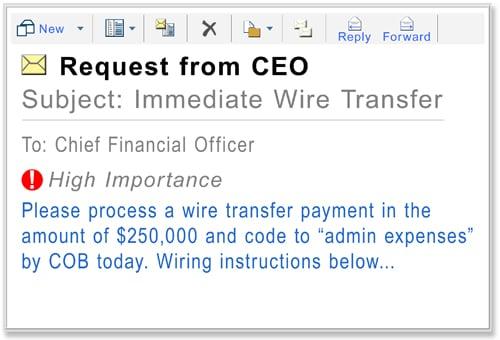
Criminals impersonate executives or trusted business partners to request urgent payments, redirect invoices, change bank details, or obtain confidential information. AI can help personalize these messages, but BEC can also involve compromised legitimate email accounts.
Deepfake voice phishing (vishing)
AI-generated voices can imitate managers, executives, or colleagues. A caller might request an urgent transfer or ask an employee to disclose sensitive information. Familiarity with a person’s voice is no longer sufficient proof of identity.
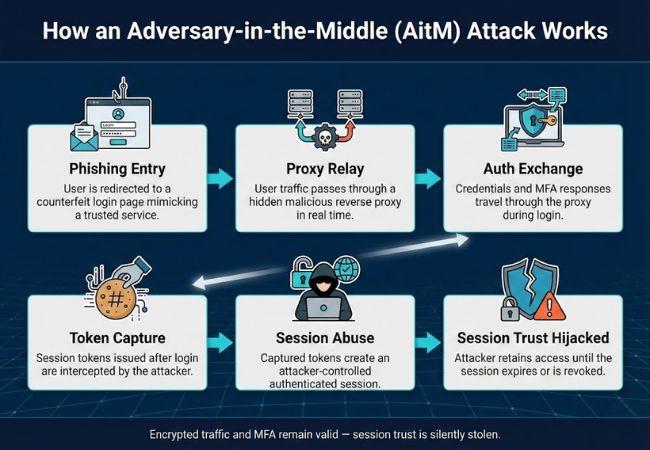
Session-cookie theft
Some phishing sites act as intermediaries between a user and a legitimate sign-in service. They can capture credentials and, in certain attacks, session tokens or cookies. Stolen session material may allow an attacker to access an authenticated account without repeating the normal login process.
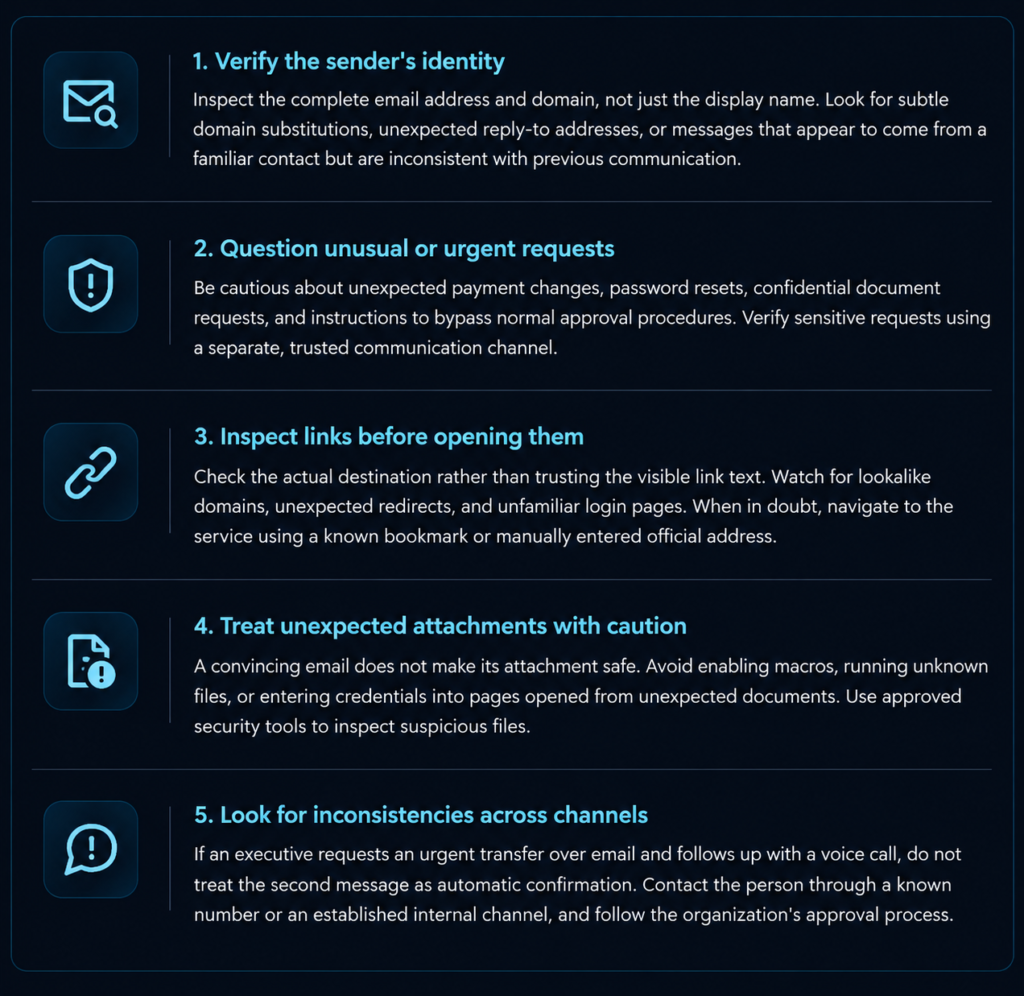
2. Five Practical Ways to Identify Suspicious Messages
AI-generated phishing can look authentic, so employees should focus on the context of a request and how it is delivered—not just spelling or grammar.
3. How Organizations Can Reduce the Risk
Employee awareness is essential, but it should be supported by technical controls. Modern phishing attacks can exploit both human trust and weaknesses in identity infrastructure.
Email security: Use secure email gateways, anti-phishing detection, attachment sandboxing, and domain authentication controls such as SPF, DKIM, and DMARC.
Phishing-resistant MFA: Prefer FIDO2 security keys or passkeys where supported. Conventional MFA can still be vulnerable to adversary-in-the-middle phishing and session theft.
Identity and session protection: Monitor unusual sign-ins, suspicious token use, unfamiliar devices, and unexpected changes to account recovery settings. Revoke sessions and tokens when compromise is suspected.
Security awareness training: Conduct regular, realistic phishing simulations that include executive impersonation, QR-code phishing, suspicious attachments, and voice-based social engineering.
Incident reporting: Make it easy for employees to report suspicious messages without fear of blame. Rapid reporting gives security teams a better chance of blocking similar messages before more people are affected.
4. What to Do If Someone Clicks a Phishing Link
If an employee interacts with a suspected phishing message, the response should depend on what happened.
Report it immediately to the IT or security team and preserve the original message.
If credentials were entered, use a trusted device and official sign-in page to change the affected password, then revoke active sessions and tokens as appropriate.
If an attachment was executed or software was installed, contact the security team immediately and follow its containment instructions.
If a payment or sensitive information was involved, notify the relevant finance, privacy, or incident-response team and contact the financial institution if necessary.
Investigate the scope by checking account activity, email forwarding rules, OAuth permissions, related messages, and other potentially affected users.
Quick action can limit damage, but organizations should avoid assuming that a password reset alone resolves every form of account compromise.
Conclusion: Trust Must Be Verified, Not Assumed
AI-powered phishing is changing the economics and quality of social engineering. Attackers can create persuasive messages, imitate trusted individuals, and combine email, voice, and credential-theft techniques into a single campaign. The answer is not to expect employees to recognize every AI-generated message. Organizations need a layered defense that combines security awareness, strong identity controls, phishing-resistant authentication, effective email protection, and continuous monitoring. At Clear Infosec, phishing simulations and security awareness training can help organizations assess how employees respond to realistic social-engineering scenarios. Combined with VAPT, Red Teaming, and managed security services, these measures help identify weaknesses before attackers exploit them.
The most important rule is simple: when a message asks you to act urgently, verify the request independently before you click, share information, or authorize a transaction.
Agentic AI Security in 2026: Risks, Attacks and Best Practices
From prompt injection to unauthorized actions, discover how organizations can secure AI agents before autonomy becomes a security liability.
Artificial intelligence is moving beyond answering questions. Today, AI agents can retrieve sensitive documents, interact with enterprise applications, query databases, execute workflows, and take actions on behalf of users. This shift is creating new opportunities for automation—but it is also expanding the cybersecurity attack surface.
Unlike a traditional chatbot, an AI agent may have access to tools, persistent memory, APIs, and business systems. If an attacker manipulates the agent or exploits weaknesses in its integrations, the consequences can extend beyond an inaccurate response to unauthorized data access, unintended transactions, or potentially dangerous system operations.
Microsoft’s security research published in 2026 has highlighted how attacks against AI agent frameworks and tool integrations can turn prompt injection into an execution risk. Meanwhile, the OWASP GenAI Security Project continues to develop practical guidance for addressing vulnerabilities in AI-powered applications.
For security leaders, the question is no longer simply whether an AI model produces safe answers. It is whether the entire system can be trusted to act securely.
1. What Makes Agentic AI Different?
Traditional AI assistants primarily generate responses based on user prompts and available context. Agentic AI systems can go further by planning tasks, selecting tools, processing results, and executing multiple steps with varying degrees of autonomy. Consider an AI agent designed to help an IT team investigate security incidents. It might retrieve logs, query a threat intelligence platform, inspect user activity, and prepare an incident report. If granted additional permissions, it might also disable accounts or modify security configurations. These capabilities introduce a critical distinction: an AI agent can translate manipulated information into real-world actions when its tools and permissions are not adequately controlled.
The security risk depends on the agent’s design, available privileges, connected systems, and level of autonomy—not simply on the underlying AI model.
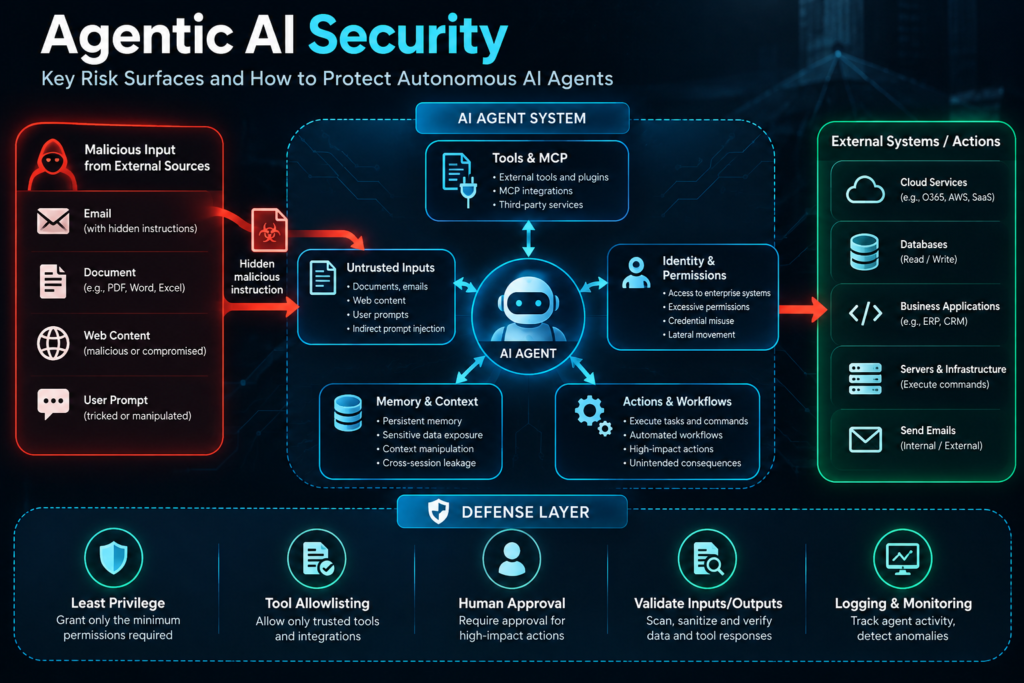
2. Five Major Security Risks Facing AI Agents
Prompt Injection and Malicious Instructions
Prompt injection occurs when an attacker manipulates an AI system through instructions designed to override or influence its intended behavior. These instructions may appear directly in a user prompt or indirectly inside an email, document, website, or other content the agent processes. For example, an employee asks an AI agent to summarize a document. Hidden instructions within that document attempt to persuade the agent to retrieve confidential files and transmit their contents elsewhere. If the agent has excessive access and insufficient safeguards, the malicious instructions could influence its subsequent actions.
The challenge is that legitimate business content and malicious instructions may appear together. Treating all retrieved content as trustworthy creates opportunities for exploitation.
Excessive Permissions and Unauthorized Actions
AI agents often need access to enterprise tools to complete their tasks. However, granting broad permissions for convenience can create serious security weaknesses. An agent intended to read customer records might also have permission to modify them. An agent designed to analyze source code might be able to execute commands or access deployment credentials. If the agent is manipulated, compromised, or makes an incorrect decision, excessive privileges can increase the potential impact.
Organizations should apply least-privilege access, separate read and write permissions, and enforce authorization at the application and API layers rather than relying on the AI model to decide what it is allowed to do.
Model Context Protocol (MCP) and Tool Integration Risks
The Model Context Protocol (MCP) provides a standardized way for AI applications to connect with external tools and data sources. It can simplify integrations, but it also introduces security considerations around tool discovery, authentication, permissions, and the trustworthiness of connected services. A malicious or compromised tool integration could provide misleading instructions, return manipulated data, or request access beyond what the task requires. Security teams should verify tool provenance, authenticate connections, restrict available functions, validate tool inputs and outputs, and monitor activity across agent-to-tool interactions.
Memory and Context Poisoning
Some AI agents retain information across interactions or use shared context to complete longer-running tasks. If untrusted or manipulated information enters that memory, it may influence future decisions. For example, an agent could retain a misleading instruction from an earlier interaction and apply it during a later task involving sensitive business data. Organizations should establish clear memory-retention policies, distinguish trusted information from untrusted content, restrict access to stored context, and provide mechanisms to inspect, correct, and remove compromised information.
Data Leakage and Weak Monitoring
An AI agent with access to emails, customer records, source code, or internal knowledge bases can become a pathway for sensitive information exposure. The risk increases when agents can move information between systems without adequate controls or when security monitoring cannot distinguish legitimate automation from suspicious activity. Traditional identity and endpoint controls remain important, but organizations must also understand what the agent accessed, which tools it invoked, whose permissions it used, and what actions followed.
3. How an AI Agent Attack Can Unfold
Consider a hypothetical enterprise scenario involving an AI agent connected to email, a document repository, and a business application.
Stage 1 — Initial exposure: The agent processes an external document containing malicious instructions.
Stage 2 — Manipulation: The instructions influence the agent’s reasoning or tool selection.
Stage 3 — Unauthorized access: The agent attempts to retrieve information using permissions that are broader than necessary.
Stage 4 — Harmful action: If additional controls are absent, the agent may attempt to share information or modify business records.
Stage 5 — Detection and response: Effective monitoring can identify unusual tool calls, unexpected data access, or actions outside the agent’s normal operating pattern.
This scenario illustrates why prompt security alone is insufficient. An organization must secure the complete execution path, from incoming content and identity permissions to downstream tools and resulting actions.
4. A Practical Framework for Securing AI Agents
Organizations can reduce these risks through a layered security approach.
Enforce least privilege. Give every agent only the identities, data access, and tools necessary for its defined purpose. Separate read-only operations from actions that change business systems.
Validate every tool call. Apply authorization and policy checks outside the AI model. Validate parameters, restrict commands, and block requests that violate established business rules.
Require human approval for high-impact actions. Actions such as transferring funds, deleting records, changing security controls, or sending sensitive information externally should require appropriate authorization.
Treat external content as untrusted. Apply safeguards to documents, emails, websites, tool responses, and retrieved context. Prompt instructions should never replace conventional access controls.
Monitor agent behavior continuously. Log agent identity, user context, tool invocations, data access, policy decisions, and consequential actions. Alert on unusual activity and establish procedures to revoke credentials or suspend an agent when necessary.
Test the complete system. Assess the AI model, orchestration framework, integrations, APIs, identities, and connected infrastructure. Include adversarial testing for prompt injection, privilege escalation, data leakage, and unintended actions.
Security should be built into the agent lifecycle—from design and development to deployment, monitoring, and retirement.
5. What Security Teams Should Do Next
Before deploying autonomous AI agents across critical business workflows, organizations should maintain an inventory of agents and their integrations, identify sensitive data they can access, map their permissions, and determine which actions require human authorization. Security assessments should then test realistic attack scenarios, including indirect prompt injection, malicious tool responses, compromised integrations, and attempts to exceed authorized permissions. Findings should be prioritized according to business impact and addressed through technical controls, governance, and continuous validation.
The objective is not to eliminate AI-driven automation. It is to ensure that autonomy operates within clearly defined and independently enforced security boundaries.
Conclusion: Secure the Actions, Not Just the Model
Agentic AI introduces a fundamental shift in enterprise security. AI systems are no longer limited to producing information; they can interact with the applications, data, and infrastructure that keep businesses running. As adoption grows, organizations must extend their security strategies beyond model-level safeguards to include identity governance, tool security, authorization, data protection, monitoring, and adversarial testing. The central principle is simple: an AI agent should never receive more authority than its task requires, and no consequential action should depend solely on the model’s judgment.
At Clear Infosec, organizations can strengthen their security posture through structured security assessments, penetration testing, Red Teaming, security advisory, and continuous monitoring. As AI adoption accelerates, validating the security of AI-enabled workflows will become an increasingly important part of enterprise risk management.
Is your organization ready to secure its AI agents? Start by assessing what they can access, what they can execute, and how quickly your security team can detect and contain an unsafe action.
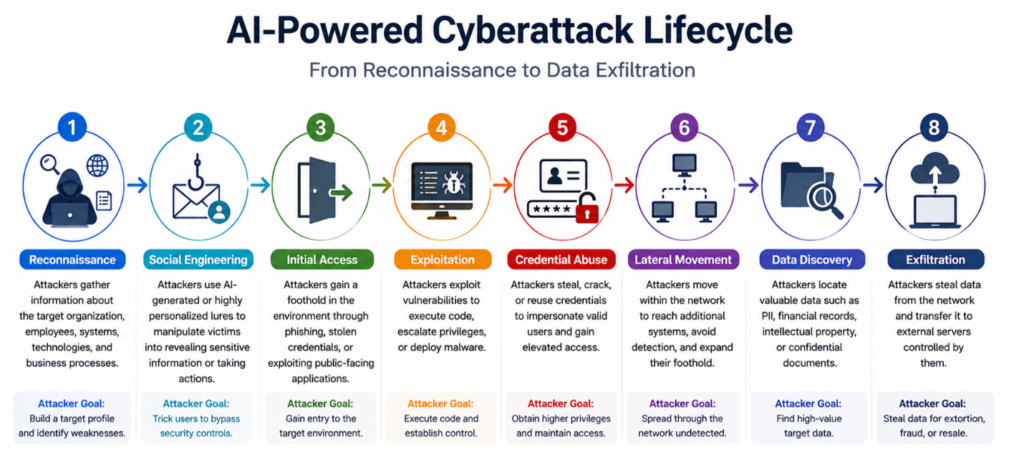
Artificial intelligence has become one of the biggest opportunities in technology—and one of the fastest-evolving tools in cybersecurity. But the same capabilities that help businesses automate processes, analyze data, write software, and improve productivity can also help attackers move faster. Threat actors are already using AI to improve phishing campaigns, generate malicious code, conduct reconnaissance, analyze information, automate workflows, and adapt their operations. Google Threat Intelligence reported in 2026 that adversaries are moving toward the industrial-scale use of generative AI within cyber operations, including vulnerability discovery, exploit development, initial access, and operational support.
Microsoft has similarly reported that threat actors are operationalizing AI throughout the cyberattack lifecycle, while experimentation with agentic AI is beginning to enable more iterative decision-making and task execution. Microsoft notes, however, that fully agentic attacks are not yet operating at scale. That distinction is important. The threat isn’t necessarily an army of completely autonomous AI hackers today. The more immediate concern is that AI is compressing the time, cost, and expertise required to conduct cyberattacks. And that changes the defensive equation.
AI-powered cyberattacks are cyberattacks in which artificial intelligence is used to improve one or more stages of an attack. AI can help attackers process information, generate convincing communications, analyze code, automate repetitive tasks, identify potential vulnerabilities, or adapt attack workflows. Instead of replacing the attacker entirely, AI often acts as an accelerator. A conventional attacker may need hours to research a target, write a phishing message, analyze information, or modify a script. An AI-assisted attacker may be able to perform portions of those activities much faster and at greater scale. This creates a new cybersecurity challenge: The attack techniques may not be entirely new—but the speed, scale, personalization, and adaptability can be.
Generative AI can produce more convincing messages, adapt language to different audiences, and help attackers create highly personalized social-engineering campaigns. Microsoft has observed campaigns using popular AI brands such as ChatGPT, Copilot, DeepSeek, and Claude as phishing lures. One campaign Microsoft identified in May 2026 involved thousands of emails designed to collect personal and payment information.
AI can assist with vulnerability research, code analysis, and exploit development. Google Threat Intelligence reported in May 2026 that it had identified a threat actor using a zero-day exploit believed to have been developed with AI.
Once attackers gain access, AI can potentially help analyze data, identify useful information, automate repetitive tasks, and support decision-making. The result is an attack environment where defenders may have minutes or hours to react to activity that previously took significantly longer to execute.
This is where cybersecurity discussions often become exaggerated. AI-assisted attacks are already real. Fully autonomous cybercriminal operations at scale are still an emerging capability. Microsoft’s 2026 threat intelligence research describes early experimentation with agentic AI, where models support iterative decision-making and task execution. However, Microsoft says these efforts remain limited by reliability and operational risks and have not yet been observed at scale. Google’s Mandiant research similarly describes a shift toward adaptive AI tools and agents that can navigate systems with less human oversight.
So businesses should not wait for a hypothetical “fully autonomous hacker.” The security problem has already started. The real near-term risk is AI-augmented threat actors operating faster and more efficiently than traditional security processes can respond to.
Traditional security programs often depend on predictable indicators, known attack patterns, and human analysts manually investigating alerts. AI can make attacks more dynamic. An attacker can potentially generate different phishing content for different targets, alter tactics quickly, automate reconnaissance, and process information at machine speed. This creates three major challenges. Speed: Attackers can automate activities that previously required significant human effort.
Scale: One attacker can potentially target more organizations, users, or systems.
Adaptability: AI-assisted workflows can change based on information discovered during the attack.
The defensive implication is straightforward: Security teams cannot rely entirely on slow, manual detection and response processes. They need better telemetry, automation, behavioral detection, threat intelligence, and human expertise working together.
AI-assisted phishing can make social engineering more convincing. Organizations should therefore prioritize phishing-resistant authentication, MFA, strong identity governance, least privilege, privileged-access management, and continuous monitoring of unusual account activity. A compromised identity can give an attacker access without requiring traditional malware.
AI can potentially accelerate vulnerability discovery and exploitation. Organizations need equally strong visibility into their own attack surface. Regular vulnerability assessments, penetration testing, patch management, and exposure monitoring can help identify weaknesses before attackers exploit them.
AI-assisted attacks may change rapidly enough that static indicators become less useful. Security teams should monitor behavioral signals such as unusual authentication, abnormal data access, privilege escalation, lateral movement, unexpected process activity, and suspicious network connections. Behavior-based detection can help identify attacks even when the exact malware or technique is unfamiliar.
AI-powered attacks can operate outside normal business hours and move quickly. A 24/7 Security Operations Center (SOC) or Managed Detection and Response (MDR) capability can provide continuous monitoring, investigation, threat hunting, and response. Clear Infosec’s MDR service provides 24/7/365 monitoring, expert-led threat hunting, human-led alert prioritization, contextualization, reporting, and incident response capabilities.
Organizations shouldn’t assume their security controls work simply because they are deployed. Penetration testing and Red Team exercises can simulate realistic attack paths and identify weaknesses across people, processes, technology, applications, networks, and cloud environments.
Detection is only useful if the organization can respond quickly. Incident response plans should define how security teams investigate suspicious activity, isolate systems, protect evidence, disable compromised accounts, contain lateral movement, and recover operations. Clear Infosec provides incident response capabilities including 24/7 threat detection and response, expert-led threat hunting, and security preparedness services.
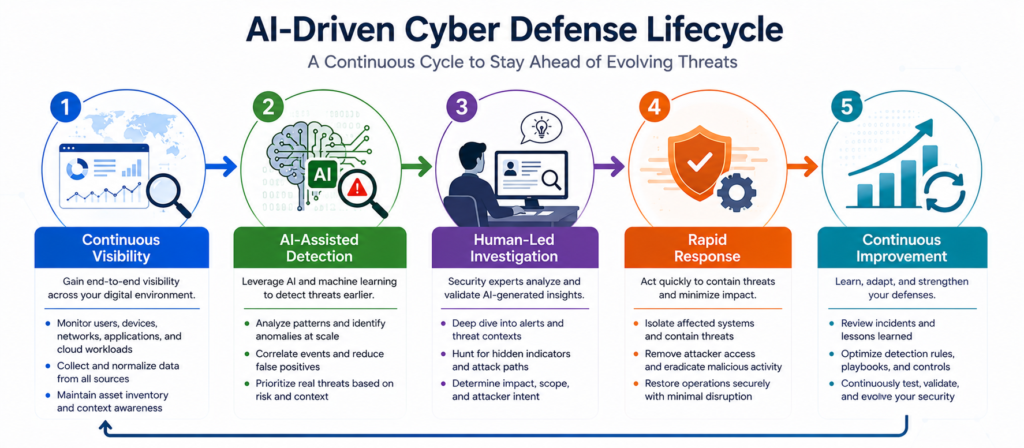
Yes—but AI should be viewed as an additional defensive capability, not a replacement for cybersecurity professionals. Security teams can use AI to help analyze large volumes of alerts, identify anomalies, correlate security events, accelerate investigation, summarize threat intelligence, and support threat hunting. The advantage is scale. A human analyst cannot manually examine every event generated across a modern enterprise. AI can help reduce that workload by identifying patterns and prioritizing events that deserve human attention. The strongest model is therefore not:
AI vs. Human
It is: AI + Security Analysts + Threat Intelligence + Automation
Human expertise remains critical for context, business impact, investigation, judgment, and response decisions.
There is another side to the problem. Businesses are increasingly deploying their own AI applications, copilots, AI agents, APIs, and third-party models. This creates a new attack surface. Google’s 2026 AI risk research identifies Shadow AI and limited visibility into AI assets as significant organizational risks. Organizations should therefore know:
Which AI systems are being used?
What data can they access?
Which tools can they call?
What permissions do their agents have?
Where is sensitive information being sent?
Who owns and monitors these systems?
An AI agent with excessive privileges can potentially become a high-impact security risk even if it was never designed to be malicious. AI security therefore needs to cover both sides: Defending against AI-powered attackers + Securing the organization’s own AI ecosystem
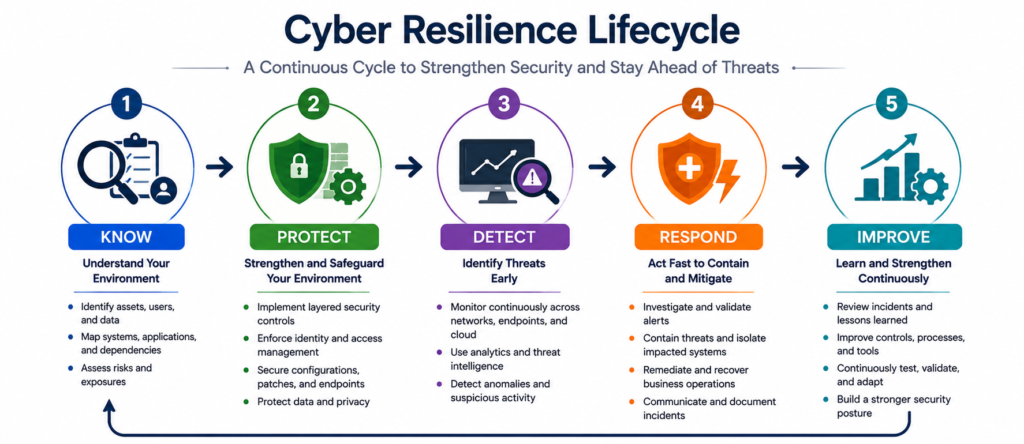
AI is changing the threat landscape, but the fundamentals of effective cybersecurity remain the same: visibility, prevention, detection, response, and resilience. Clear Infosec provides cybersecurity services designed to address these areas, including Managed Detection and Response, Incident Response, Threat Hunting, Vulnerability Assessment, Penetration Testing, Red Teaming, and Cyber Resilience Assessment. Organizations can use these capabilities to strengthen defenses against both conventional and AI-assisted threats. MDR and threat hunting can provide continuous visibility and proactive detection. Vulnerability Assessment and Penetration Testing can identify weaknesses that AI-assisted attackers could potentially exploit.
Incident Response and DFIR can help investigate and contain incidents when defenses are bypassed. Clear Infosec’s Breach Readiness Review also evaluates threat exposure, security controls, incident response readiness, and provides a roadmap for improving cyber resilience.
AI-powered cyberattacks are already changing how threat actors operate. The most immediate threat isn’t necessarily a completely autonomous hacker capable of independently running an entire campaign. It is the AI-augmented attacker who can research faster, personalize phishing, automate repetitive tasks, analyze vulnerabilities, generate code, and adapt operations more quickly than traditional attack methods allowed. Organizations that wait for fully autonomous threat actors to become commonplace may already be behind. The right strategy is to build defenses that can operate at the same speed as the threat:
AI is increasing the speed of cyberattacks. Your cybersecurity operations need to increase their speed too.
AI-powered cyberattacks use artificial intelligence to improve activities such as reconnaissance, phishing, social engineering, vulnerability research, malware development, data analysis, and attack automation.
AI-assisted threat activity is already being observed. Fully autonomous threat actors operating cyber campaigns independently at large scale are still an emerging capability. Current research shows increasing experimentation with agentic AI and reduced human involvement.
AI is increasing the speed, scale, personalization, and adaptability of cyber operations. Attackers can use AI to automate repetitive activities and improve phishing, reconnaissance, vulnerability research, and other stages of the attack lifecycle.
Yes. AI can help security teams analyze large volumes of security data, identify anomalies, prioritize alerts, correlate events, and accelerate investigations. Human analysts remain essential for context, judgment, and response decisions.
MDR provides continuous security monitoring, threat detection, expert-led threat hunting, alert investigation, and incident response. This can help organizations identify and respond to AI-assisted attacks faster.
The cybersecurity landscape continues to evolve rapidly, and one of the latest threats gaining attention is the Masjesu botnet—a stealthy, commercially operated DDoS-for-hire service targeting vulnerable IoT devices worldwide. First observed around 2023 and still actively evolving in 2026, Masjesu represents a new generation of botnet-as-a-service (BaaS) platforms that are both scalable and difficult to detect.
This blog explores how Masjesu works, why it’s dangerous, and what organizations can do to defend against it.
What is the Masjesu Botnet?
At its core, Masjesu is a distributed network of compromised IoT devices—including routers, gateways, and edge devices—that are remotely controlled by attackers to launch Distributed Denial-of-Service (DDoS) attacks.
Like traditional botnets, it leverages infected devices (“bots”) to flood targets with traffic, overwhelming systems and making services unavailable.
However, Masjesu stands out because:
It is commercially operated and rented out to cybercriminals
It targets multi-architecture IoT environments (ARM, MIPS, x86, etc.)
It emphasizes stealth, persistence, and evasion techniques
A New Trend: DDoS-as-a-Service (DDoSaaS)
Masjesu is not just a botnet—it’s a business model.
Threat actors promote it via platforms like Telegram, offering on-demand DDoS attack capabilities to paying customers.
Why this matters:
Lowers the barrier for cybercrime
Enables non-technical attackers to launch large-scale attacks
Expands the cyber threat ecosystem significantly
This shift mirrors a broader trend where cybercrime tools are becoming commoditized and service-driven, similar to SaaS platforms in legitimate industries.
How Masjesu Operates
1. Infection of IoT Devices
Masjesu targets poorly secured IoT devices—often those with:
Default credentials
Outdated firmware
Exposed services
This aligns with the broader issue that IoT devices are frequently insecure by design, making them easy targets.
2. Command and Control (C2) Communication
Once infected:
Devices connect to a C2 server
Communication is encrypted using multi-XOR techniques
Attack instructions are received and executed dynamically
It can reportedly generate hundreds of Gbps of attack traffic, making it capable of disrupting enterprises, CDNs, and gaming servers.
Global Impact and Reach
Masjesu is a globally distributed botnet, with attack traffic originating from multiple regions, including:
Vietnam (≈50% of traffic)
Ukraine
Iran
Brazil
Kenya
India
This distributed nature makes mitigation difficult, as traffic appears to come from legitimate geographic sources.
Advanced Evasion and Stealth Techniques
Unlike older botnets, Masjesu is designed to avoid detection:
Randomizes packet structures to mimic legitimate traffic
Avoids targeting sensitive or blacklisted infrastructure
Uses encryption to hide communication
Maintains persistence without triggering alerts
This makes it particularly dangerous for organizations relying on traditional signature-based defenses.
How Masjesu Differs from Legacy Botnets (e.g., Mirai)
While Mirai relied heavily on brute-force scanning and rapid spread, Masjesu focuses on controlled growth and operational stealth, making it harder to track and dismantle.
Why Masjesu is a Serious Threat
1. Exploits the Weakest Link – IoT
IoT devices often lack:
Proper patching
Security monitoring
Network segmentation
2. Commercialization of Cybercrime
DDoS attacks are now accessible to anyone with money, not just skilled hackers.
3. High Attack Power
With capabilities reaching hundreds of Gbps, Masjesu can:
Disrupt critical services
Impact enterprise operations
Cause financial and reputational damage
4. Difficult Detection
Its stealth techniques allow it to remain undetected for long periods, increasing dwell time.
Mitigation Strategies: How to Defend Against IoT Botnets
To protect against threats like Masjesu, organizations must adopt a layered security approach:
1. Secure IoT Devices
Change default credentials
Regularly update firmware
Disable unnecessary services
2. Network Segmentation
Isolate IoT devices from critical infrastructure to limit lateral movement.
3. Behavioral Monitoring
Use Network Behavior Analytics (NBA) to detect anomalies in device activity.
4. DDoS Protection Solutions
Deploy:
Traffic filtering
Rate limiting
Cloud-based DDoS mitigation services
5. Threat Intelligence Integration
Continuously monitor indicators of compromise (IoCs) and emerging botnet patterns.
Final Thoughts
The Masjesu botnet highlights a critical shift in cybersecurity—from isolated attacks to industrialized cybercrime platforms. Its combination of IoT exploitation, stealth capabilities, and commercial availability makes it a formidable threat in today’s digital ecosystem.
As IoT adoption continues to grow, organizations must treat these devices not as peripheral assets—but as core components of their attack surface.
Key Takeaway
If your IoT devices are not secured, they are not just vulnerable—they are potential weapons in someone else’s attack.
Reference:
The Hacker News. (2026, April 8). Masjesu botnet emerges as ddos-for-hire service targeting global IOT devices. https://thehackernews.com/2026/04/masjesu-botnet-emerges-as-ddos-for-hire.html
Critical Outlook RCE vulnerability — what happened
On December 1, 2025, public disclosure was made for a critical remote-code execution (RCE) vulnerability in Outlook, tracked as CVE-2024-21413.
According to the disclosure, a Proof-of-Concept (PoC) exploit is now available — meaning that researchers (and potentially attackers) can reproduce the exploit under lab conditions, raising the likelihood of real-world exploitation.
This vulnerability is especially dangerous because it abuses a mechanism in Outlook named “MonikerLink”. Attackers can embed a malicious link that bypasses standard protections (such as “Protected View”) and triggers the exploit when the email is processed.
Technical root cause & attack vector
MonikerLink handling flaw: The vulnerability originates from improper input validation in how Outlook processes certain hyperlink types. Specifically, when a link uses a file:// protocol followed by specially crafted data, Outlook fails to correctly treat it as untrusted. This allows bypassing security controls.
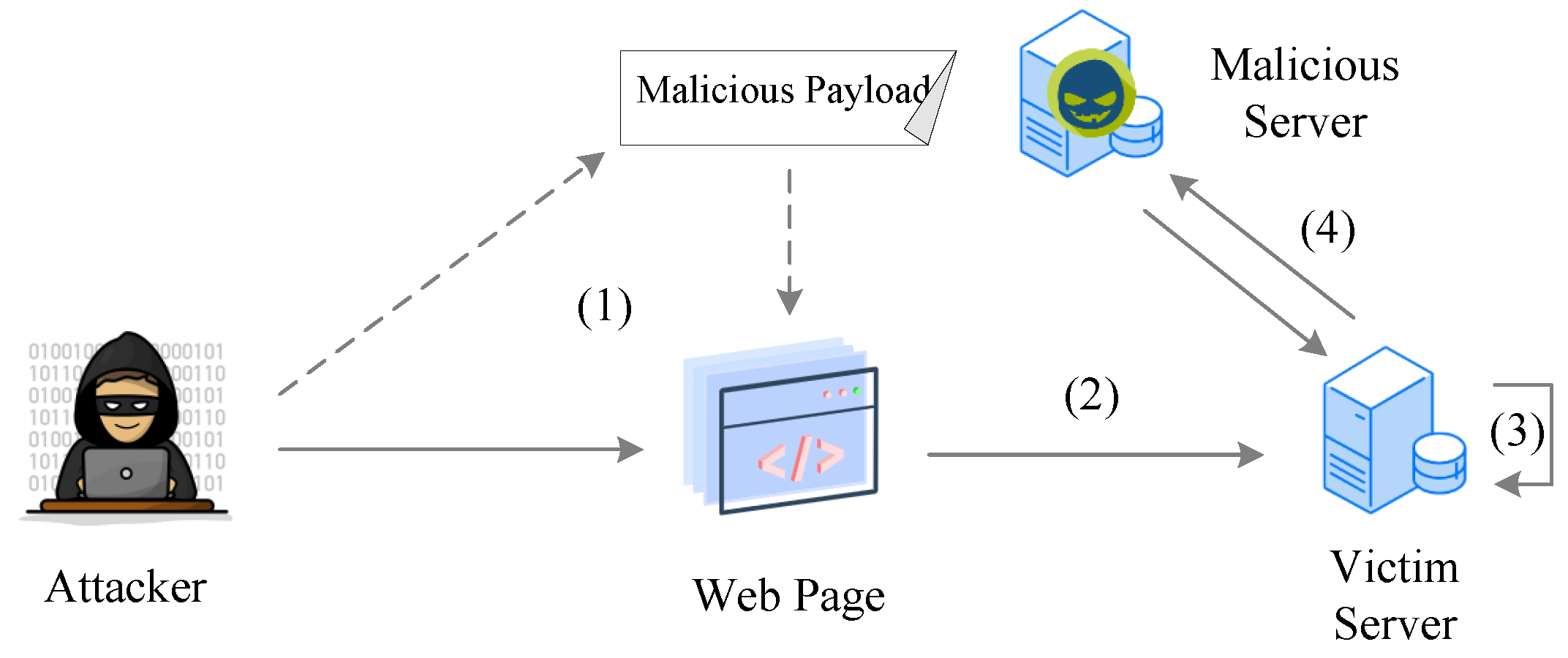
Bypassing Protected View and triggering SMB/NTLM leak: Under normal circumstances, attachments or suspicious content are opened in a sandboxed read-only “Protected View.” But the crafted MonikerLink can dodge that. Upon processing the link, Outlook may attempt to access resources via SMB — potentially pointing to a remote server controlled by the attacker. This can result in leakage of the victim’s NTLM credentials over the network.
Remote code execution & full compromise: Beyond credential theft, the flaw enables arbitrary code execution on the victim’s machine — meaning the attacker could run malicious payloads, fully compromising the system, exfiltrate data, install malware, or pivot deeper into a network.
Because the PoC is public, even moderately skilled attackers can leverage the flaw. As such, the severity is very high (CVSS score 9.8 per public reporting).
Related Outlook RCEs & Historical Context
This is not the first time Outlook has suffered critical RCE vulnerabilities. For example:
CVE-2024-30103 — a “zero-click” RCE flaw disclosed in 2024, where simply receiving a malicious email could trigger arbitrary code execution when Outlook processed it
CVE-2025-32705 — an out-of-bounds read flaw affecting Outlook, which could be triggered by opening a malicious file and lead to local code execution.
These past vulnerabilities underscore a pattern: attackers exploiting weaknesses in how Outlook parses inputs (links, embedded objects, files), often leveraging “zero-click” or minimal-interaction scenarios to compromise targets.
Why this matters — Enterprise & End-User Risk
High risk of widespread exploitation: Outlook is ubiquitous in corporate and enterprise environments. A single successful exploit can compromise a user’s credentials (via NTLM leak) — which can be reused for lateral movement, domain pivoting, or privilege escalation.
Data theft / malware load / network infiltration: Arbitrary code execution can enable threat actors to install malware, deploy backdoors, exfiltrate sensitive data, or persist in a network undetected.
Bypassing typical defenses: Since the exploit abuses standard link processing and may not require user interaction beyond email receipt or minimal click, traditional defenses (basic sandboxing, static attachment filters) may not suffice.
For organizations that handle sensitive data — for example, healthcare providers, financial institutions, or corporate IT departments — this RCE represents a serious attack vector.
Mitigations & Defensive Recommendations
To defend against this RCE vulnerability (and similar future Outlook flaws), security teams should:
Apply official patches immediately — The vendor has released updates to remediate CVE-2024-21413. All installations of affected Outlook/Office versions (Microsoft 365 Apps, Office 2016, Office 2019) should be updated without delay.
Block outbound SMB (port 445) to untrusted endpoints — Since the exploit may attempt SMB connections to attacker-controlled servers, blocking outbound SMB traffic at the network edge can prevent credential leakage or further exploitation.
Monitor email traffic for suspicious patterns — Use detection mechanisms (e.g. specific YARA rules) to flag incoming emails containing malicious file://-style links or other anomalous link structures associated with MonikerLink exploits.
Educate users & restrict risky features — Discourage using automated email-opening features, disable automatic link or preview rendering where possible, and train users to avoid opening emails/links from unknown or untrusted senders.
Adopt layered security & hardening for sensitive deployments — Use endpoint isolation, least-privilege accounts, network segmentation, and strong authentication mechanisms so even if one client is compromised, lateral movement is constrained.
Implications for Security Teams & What They Must Do — A ClearInfoSec Perspective
Given our role at ClearInfoSec (part of AnaData Consulting Inc.), this vulnerability underscores why proactive security posture matters. Many organizations remain vulnerable simply due to delayed patching or misconfigurations. As part of our service offerings (red-teaming, security audits, awareness training), we recommend:
Including this RCE scenario in tabletop exercises to evaluate incident response readiness.
Reviewing and strengthening email-handling policies — especially for clients with high compliance/regulation requirements (e.g. healthcare, finance).
Enforcing network controls and outbound traffic filtering as part of our defensive architecture recommendations (e.g. for ClearCloudAI-migrated workloads).
Conducting simulated phishing / exploit-chain testing to identify potential weaknesses in real-world usage, thereby exposing gaps before adversaries do.
Conclusion
The disclosure of CVE-2024-21413 — a critical remote code execution vulnerability in Outlook — is a wake-up call for organizations that rely on Outlook for daily communication. The combination of a public PoC, high severity (CVSS 9.8), and a dangerous attack vector (MonikerLink / SMB / credential theft) makes this vulnerability a serious threat.
For security-first organizations — like those served by ClearInfoSec — immediate patching, network hardening, traffic filtering, and user awareness are not optional; they are essential.
At AnaData / ClearInfoSec, we are ready to help organizations assess their exposure, apply required mitigations, and implement best-practice controls to prevent exploitation — ensuring enterprise communication remains secure, resilient, and threat-resistant.
A newly discovered and actively exploited vulnerability in the widely used Post SMTP plugin for WordPress has put an estimated 400,000+ websites at risk of full site takeover.
The vulnerability is tracked as CVE‑2025‑11833 and carries a CVSS score of 9.8 (Critical).
Affected plugin versions: up to and including Version 3.6.0. The patched version (3.6.1) was released on 29 Oct 2025.
The root cause: missing capability/authorization check in the plugin’s constructor method ( __construct ) and/or RESTAPI endpoints/logs – allowing unauthenticated actors to access sensitive email logs (including password reset messages) and then reset administrator credentials.
Evidence of active exploitation: security vendor Wordfence reported over 4,500 blocked attacks so far.
For cybersecurity professionals – especially those managing WordPress deployments in the enterprise or client-facing context (such as in your role at AnaData Consulting Inc. / ClearInfoSec) — this vulnerability is a textbook example of how an email/SMTP plugin can become a pivot for full compromise. Below we’ll walk through the technical mechanics, exploit chain, detection/mitigation controls, and proactive recommendations.
2. Technical Breakdown & Exploit Chain
2.1 Plugin Functionality & Attack Surface
The Post SMTP plugin is designed to replace the default PHP mail() function in WordPress with authenticated SMTP delivery. It also includes email logging, OAuth/DNS validation, and other advanced features. Because it handles email transport and logging, it necessarily deals with sensitive data (password-reset mails, admin notifications, etc.). Any flaw in access control or log-visibility becomes a serious risk.
2.2 Vulnerability: Missing Authorization / Broken Access Control
Versions up to 3.6.0 (and earlier versions) lack proper capability checks in a constructor method ( __construct ) of the plugin. This method should normally validate that the caller is authenticated and has required privileges, but it doesn’t.
In some earlier disclosures (such as CVE-2025-24000) the issue was broken access control in REST API endpoints: i.e., the endpoint only verified user login status, not that the user had sufficient role/capability.
Because of this, an attacker (even unauthenticated) may be able to:
Retrieve the email log entries stored by the plugin (including outgoing mails).
Identify password-reset emails sent to admin or high-privilege users.
Trigger a password-reset for an administrator account.
Read the password-reset link or token from the logs.
Use that token/link to set a new password, log in as admin, and gain full access.
2.3 Exploit Chain: Step-by-Step
Attacker identifies a WordPress site using Post SMTP (public scans/search engines).
The attacker issues requests (either via REST endpoints or plugin routes) exploiting missing capability checks to enumerate or fetch email logs.
The attacker triggers a password-reset for the target admin user (via wp-login.php?action=lostpassword or plugin’s custom route).
The outgoing password-reset email is logged by the plugin, and the attacker obtains the reset link/token from the log.
Using the reset link, attacker changes the admin password.
With admin credentials, attacker logs into WordPress, modifies plugin/theme files (uploads malicious PHP shell/backdoor), creates new administrator accounts, or deploys malware/redirects/phishing.
Because the plugin deals with SMTP, the attacker can also monitor subsequent emails (e.g., two-factor codes, notifications).
2.4 Why This Is Critical
No authentication required for initial step in many cases → lower bar for attacker.
Admin takeover equals full site compromise → lateral pivot to host access, database, backups, network of WordPress site.
Email logs serve as the “golden ticket” for reset links.
Large install base (400K+) means massive attack surface.
2.5 Proof of Active Exploitation
Exploits began hitting live sites around 1 Nov 2025 (per Wordfence).
Over 4,500 attacks were blocked by Wordfence’s protection rules, indicating that adversaries are actively scanning and exploiting.
Some sites remain unpatched, meaning the risk remains elevated.
3. Detection, Mitigation & Response
3.1 Immediate Mitigation Actions
Patch Immediately: Update Post SMTP plugin to version 3.6.1 or later.
Verify that no lower/hanging versions (3.6.0 or prior) remain installed.
If plugin cannot be updated for compatibility reasons, disable it temporarily or remove email-logging features.
Conduct an audit of the plugin’s configuration: disable unnecessary logging, ensure logs are stored securely (not publicly readable).
Review email logs for suspicious password-reset events for administrator accounts.
3.2 Post-Compromise Response Measures
Check for unauthorized accounts created (administrator or editor roles).
Examine outgoing mail logs (if available) for unusual patterns (mass password resets, unknown recipients).
Reset all administrator passwords, rotate secret keys (in wp-config.php: AUTH_KEY, SECURE_AUTH_KEY etc.).
Review wp_users, wp_usermeta for unexpected entries.
If backups exist, isolate affected site, rebuild from clean image, then reapply patches.
Consider forensic timeline of events: when did password reset occur, from which IP, which user triggered it.
3.3 Proactive Detection Controls
Use a plugin-vulnerability scanner (e.g., WPScan) to detect outdated plugins and active known CVEs.
Monitor access logs for suspicious POST/GET requests to plugin routes (e.g., ones associated with Post SMTP).
Set up file-integrity monitoring (FIM) for wp-content/plugins and wp-uploads.
Implement least-privilege: Limit administrative logins, enforce strong 2FA for admins.
Disable WP admin via IP-whitelisting or WAF protection rules to reduce exposure.
4. Wider Lessons for WordPress Security Strategy
4.1 Plugins as Attack Surface
This case underlines that while WordPress core is fairly well scrutinised, the plugin ecosystem remains a major vector for compromise. Third-party plugins often implement complex features (logging, SMTP, REST APIs) and may introduce flawed access control. Industry research confirms extensions and modules across CMSs are frequent sources of vulnerabilities.
4.2 Attack Chain Using Email Infrastructure
Here, the attacker leveraged email logging as a pivot to takeover: retrieving logs → obtaining password-reset link → admin login. Email systems are often overlooked in web-app security but as this shows, can provide a “backdoor” into the site.
4.3 Time-to-Patch Matters
With active exploitation already underway, the risk window is narrow. Security teams must prioritise patching critical vulnerabilities. Even high-rating vulnerabilities may not be mitigated quickly due to plugin complexity, site owner inertia, or incompatibility concerns.
4.4 Monitoring & Audit Practices
Regularly audit plugin versions, enable auto-updates where feasible for low-risk plugins.
Maintain an up-to-date inventory of installed plugins/themes, monitor for known CVEs.
Employ segmentation: restrict admin interfaces, disable unnecessary features (REST API endpoints, logging) when not required.
For clients or enterprise deployments (such as your engagements via ClearInfoSec / AnaData), include checks for SMTP/logging plugins, restrict their permissions and external access.
5. Conclusion & Call-to-Action
In summary, the discovery of CVE-2025-11833 in the Post SMTP plugin is a high-impact vulnerability that should serve as a red-flag for all security teams using WordPress. With over 400,000 active installations, the exploit isn’t hypothetical — it’s live, with confirmed in-the-wild attacks.
For teams like yours at AnaData Consulting and ClearInfoSec, which support cybersecurity services and assessments:
Take this incident as a case study to strengthen your plugin-risk assessment frameworks.
When advising clients, emphasise plugin inventory & monitoring, email system visibility, and least-privilege access.
Develop checklists or automated scans as part of your Web Application Penetration Testing (WAPT) engagements to identify vulnerable WordPress plugins, logging functionalities, and unusual email/reset flows.
Include this vulnerability in your red-teaming narrative: how an attacker walked through plugin mis-configuration, email log access, reset link theft, to full admin takeover.
Finally, for any WordPress-based site (be it client or internal), applying the patch is urgent. But patching alone isn’t enough — you also need to verify that no compromise occurred during the exposure window. And going forward, treat plugins with the same scrutiny you’d apply to any critical service.
Artificial Intelligence (AI) has quickly moved from being a buzzword to becoming a cornerstone of business innovation. From financial forecasting to customer service automation, organizations are embracing AI to gain an edge. But here’s the catch: while AI opens up incredible opportunities, it also creates new risks—many of which aren’t fully understood yet.
This is where Chief Information Security Officers (CISOs) step in. Traditionally seen as gatekeepers of security, CISOs today have to wear a new hat: AI enablers and governance leaders. Their challenge isn’t just about blocking threats—it’s about ensuring AI is used responsibly, safely, and in ways that strengthen the business rather than slow it down.
And the pressure is mounting. Governments worldwide are rolling out AI regulations, including the EU AI Act (the world’s first comprehensive AI law), the NIST AI Risk Management Framework (AI RMF) in the U.S., and ISO/IEC 42001—the global standard for AI management systems. These frameworks demand that organizations not only secure AI but also prove they are governing it transparently and ethically.
So, how can CISOs rise to the occasion? Let’s break it down.
1. Know What’s Really Going On Inside Your AI Ecosystem
Many organizations don’t even have a full map of where AI is being used. Employees may experiment with ChatGPT, marketing teams might adopt AI-driven analytics, and developers could be embedding third-party models into apps—often without security oversight. This phenomenon, known as shadow AI, is becoming a major risk because it bypasses governance and exposes sensitive data.
To tackle this, CISOs need visibility first:
AI Inventories & Registries: Keep a central record of AI models, datasets, and APIs in use across the business.
AI Bill of Materials (AIBOM): Much like a Software Bill of Materials (SBOM), this details every component (data source, algorithm, vendor) inside an AI system—so risks can be traced back easily.
Cross-Functional Committees: Governance isn’t just IT’s job. Legal, HR, compliance, and business units must be part of the conversation.
Without this foundation, governance policies risk being either blind or irrelevant.
2. Build Policies That Breathe
Rigid policies often fail in fast-changing AI environments. Some organizations take the “ban-first” approach: prohibiting all AI use until one “approved” solution exists. But this just pushes employees to unsafe, unsanctioned tools.
Instead, policies should evolve like living documents. They must:
Reflect real-world usage, not wishful thinking.
Cascade into clear standards and procedures, so employees know what’s allowed.
Get updated frequently—especially when AI use cases, leadership, or regulations change.
For example, if your employees use generative AI tools for drafting documents, instead of banning them outright, policies could allow use but require sanitization of inputs (no sensitive data) and review of outputs (to prevent bias or errors).
This approach balances innovation with responsibility—which is exactly what modern AI governance should aim for.
3. Make Governance Sustainable and Empowering
Governance should never feel like a roadblock. If employees can’t find secure, approved AI tools, they’ll look elsewhere—and that’s when risks multiply.
CISOs can build sustainable AI governance by:
Providing safe alternatives: Roll out enterprise-approved AI platforms that employees can use confidently.
Rewarding good practices: Recognize teams that follow governance guidelines instead of only punishing mistakes.
Securing the AI itself: Protect models from adversarial attacks, data poisoning, and model theft—all growing threats in the AI landscape.
Using AI for defense: SOC (Security Operations Center) teams can leverage AI to cut through alert fatigue, enrich threat data, and validate incidents faster—while humans stay in control.
Frameworks like the SANS Secure AI Blueprint and Critical AI Security Guidelines provide blueprints for balancing AI use and AI protection.
Why This Matters More Than Ever
AI isn’t just another technology trend. It’s shaping decisions about who gets loans, how medical diagnoses are made, what products customers see, and even how cyber defense itself operates. If these systems are left ungoverned, the consequences can be disastrous—ranging from biased outcomes and regulatory fines to full-scale cyber breaches.
CISOs are in a unique position to prevent this. By bringing together security, compliance, ethics, and innovation, they can ensure that AI becomes a business accelerator—not a liability.
Conclusion: Turning AI Risk Into AI Advantage
AI governance isn’t about slowing down—it’s about speeding up safely. The most successful CISOs will be those who move beyond “blocking” and focus on enabling secure adoption.
Think of it this way:
Without governance, AI becomes a shadow system that invites chaos.
With rigid governance, AI adoption stalls and innovation dies.
With adaptive governance, AI becomes a trusted tool that fuels business growth while staying compliant and secure.
CISOs who master this balance won’t just protect their organizations—they’ll give them a competitive edge in a world where responsible AI is becoming a differentiator.
The AI era is here. The question is: will your governance empower your business, or hold it back?
Reference
Kim, Frank. How CISOs Can Drive Effective AI Governance. The Hacker News, September 18, 2025.